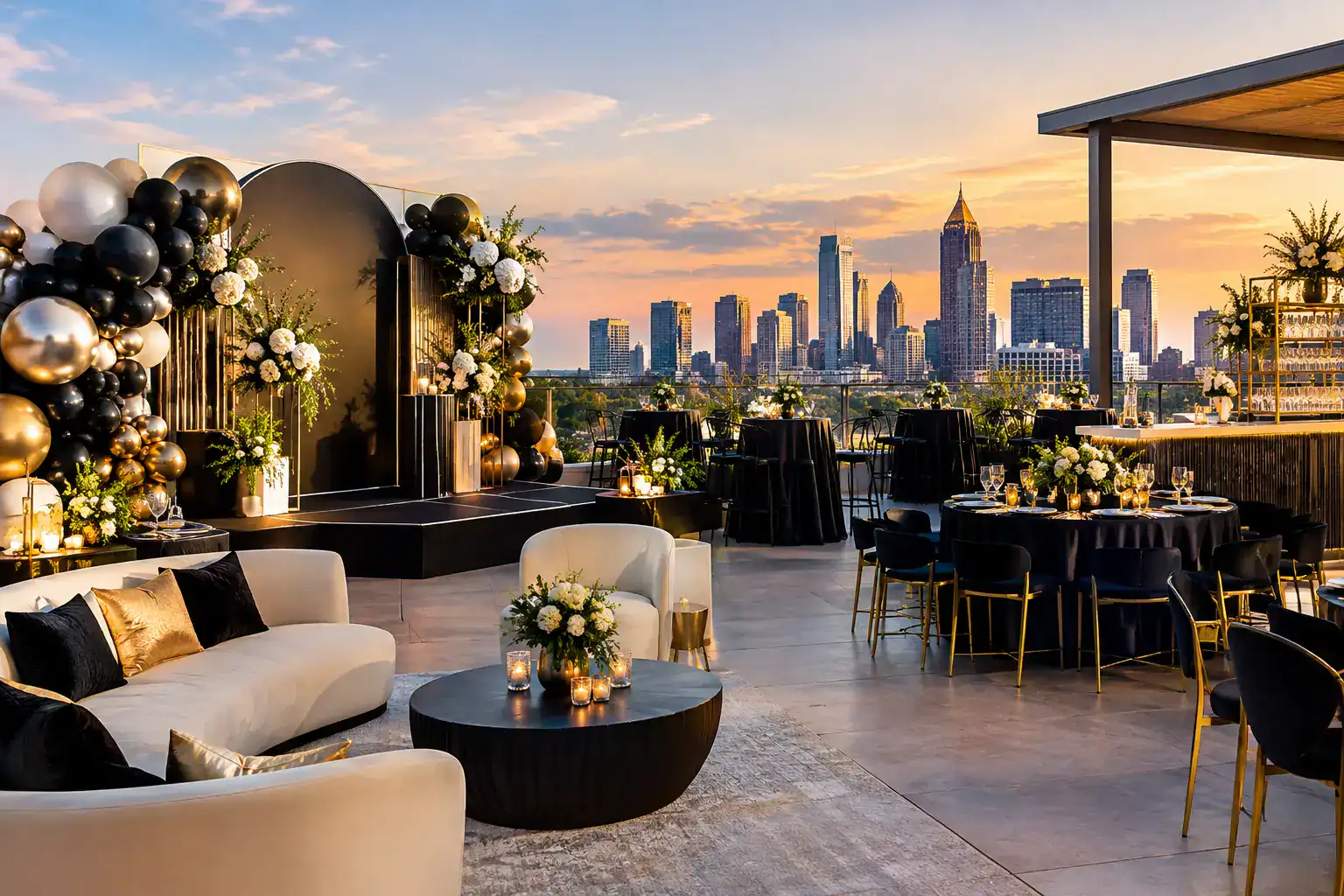
A great activation is not a logo on a table and a few giveaways. It is the moment guests stop, look twice, pull out their phones, and feel something about your brand. This event activation guide is built for corporate teams that want more than attendance – they want attention, conversation, content, and a brand experience people remember after the room clears.
For a product launch in Midtown, a grand opening in Buckhead, or a company celebration anywhere across Metro Atlanta, the visual standard matters. Your guests are making a decision in seconds: Is this worth walking into? Is this worth photographing? Is this a brand that feels current, confident, and worth following?
Start With the Outcome, Not the Decor
The strongest event activations begin with a clear business objective. A photo backdrop can be beautiful, but beauty alone is not the strategy. Decide what you need the experience to do before selecting colors, props, entertainment, or floor plans.
A retail opening may need foot traffic and social sharing. An HR team planning employee appreciation may want genuine connection and a sense of recognition. A marketing team introducing a new product may need content creation, lead capture, and a visual story that makes the product impossible to ignore.
Choose one primary outcome, then let every production decision support it. Trying to make one small activation drive leads, entertain kids, host VIPs, educate attendees, and create a viral moment can dilute the experience. A focused concept usually performs better than a crowded one.
Build a Visual Hook That Stops Traffic
People do not need another plain welcome sign. They need a reason to enter the frame.
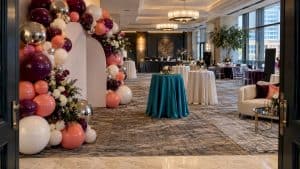
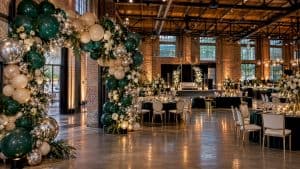
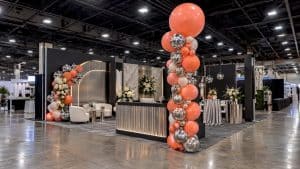
Your visual hook is the first major design element guests see. It could be an oversized organic balloon installation in your campaign palette, a custom photo moment with dimensional branding, marquee letters, a dramatic entrance arch, or an immersive product reveal wall. The best option depends on your venue, audience, budget, and campaign purpose.
For example, a polished step-and-repeat may make sense for a media-facing event with frequent photography. For a consumer-facing pop-up, a custom-built photo backdrop with layered balloons, sculptural details, and an interactive prompt often creates more energy. Guests need to know what to do when they arrive, so make the moment intuitive: step here, pose here, share this, try this.
Luxury does not always mean filling every inch of the room. In fact, strategic restraint can make a statement piece feel even more premium. One jaw-dropping focal point at the entrance may create more impact than scattered decor that competes for attention.
Put Branding Where the Camera Will Find It
Brand visibility should feel designed, not pasted on. Position logos and messaging at natural photo height, integrate colors into the installation, and keep the visual hierarchy clean. If a guest takes a photo in front of your backdrop, the image should still make sense when it appears in a feed without explanation.
Avoid shrinking your logo until it disappears or repeating it so aggressively that the moment feels like an advertisement. The goal is an elevated environment that people want to photograph. The brand then travels with the content.
Design the Guest Journey, Not Just the Backdrop
An activation has movement. Guests arrive, orient themselves, engage, capture content, and move on. If any part of that journey is confusing, traffic can stall and the energy drops.
Start at the entry. A balloon arch, branded column set, or bold welcome installation can signal that guests have arrived somewhere special. From there, create a clear path toward the primary interaction. For a product launch, that might be a demo area followed by a photo moment. For an employee event, it could be a welcome display, entertainment zone, and celebration backdrop for team photos.
Think about lines before the event opens. A popular photo booth or caricature artist can create excitement, but it can also create a bottleneck. Give waiting guests something to look at or participate in, such as a branded display, sampling station, or nearby lounge moment. When the flow feels easy, guests stay engaged instead of checking out.
For larger corporate events, separate high-energy moments from conversation zones. DJs, balloon twisters, face painters, and interactive entertainment bring pure fire to the right event, but they should complement the environment rather than overpower keynote speakers, networking, or VIP conversations.
Match the Activation to the Venue
Venue conditions can make or break an installation. Ceiling height, loading access, power availability, guest count, weather exposure, and setup windows all influence the final design.
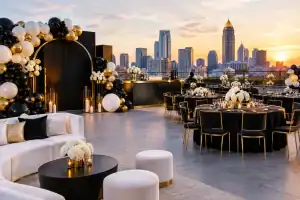
A ballroom can support a grand reveal with large-scale suspended elements or a sweeping entrance installation. A retail storefront may need a compact but high-impact facade design that drives walk-in traffic without blocking access. Outdoor events call for extra planning around wind, sun, rain, anchoring, and timing. Balloons and custom builds can look incredible outdoors, but the design needs to be engineered for the environment.
Do not wait until the final week to ask about venue rules. Confirm access times, elevator dimensions, parking, loading docks, approved hanging points, insurance requirements, and teardown expectations early. This is where experienced event production pays off: the glamorous finished look depends on practical details handled behind the scenes.
Use Interactivity With Purpose
Interactivity gives guests a reason to stay longer than 10 seconds. The right feature creates participation, captures data, builds anticipation, or gives guests a shareable reward.
A photo booth is ideal when you want volume and instant content. A custom backdrop is better when brand presentation is the priority. A caricature artist can create a personal keepsake for a team celebration. A DJ can transform a networking event from polite to electric. For family-facing grand openings, balloon artists and face painters can keep younger guests happily engaged while parents spend more time with your brand.
The trade-off is that every interactive element needs staffing, space, and a plan for traffic. Do not add entertainment simply because it is available. Add it because it supports the mood and audience behavior you want to create.
Make the Most of Your Event Activation Budget
A premium activation budget should be invested where guests will notice it most. Prioritize the arrival experience, the main photo or engagement moment, and the details that appear in event photography. These are the components that shape perception and extend your event beyond the room.
If budget is tight, scale the footprint before scaling down the quality. A smaller custom installation with strong color, professional styling, and intentional branding will outperform a large collection of generic decorations. The same principle applies to rentals and entertainment: select fewer elements that work together instead of adding disconnected pieces.
Share your budget range and must-have goals with your design partner early. That makes it possible to recommend the strongest creative direction rather than spending time on concepts that cannot be produced at the level your event deserves.
Measure What Actually Happened
An activation should feel exciting, but it should also produce useful evidence. Decide how success will be measured before the event. Depending on the goal, that might mean RSVP-to-attendance rate, leads collected, samples distributed, photos taken, social mentions, scans, sales, or post-event employee feedback.
Set up a simple way to capture the information. Use a branded hashtag, a QR code tied to a specific offer, check-in data, photo booth totals, or a short follow-up survey. If your activation is primarily about brand perception, professional event photography and guest-generated content can show whether the environment delivered the visual impact you planned.
Numbers do not tell the entire story. Pay attention to where guests naturally gather, what they photograph without being asked, and what they mention afterward. Those reactions reveal whether the experience had real pull.
A Practical Event Activation Guide Timeline
For polished results, begin concept planning at least four to eight weeks ahead for most corporate events. Large-scale builds, complex venue logistics, peak holiday dates, and multi-location campaigns may require more lead time.
In the early phase, confirm the goal, audience, venue, guest count, budget range, and brand assets. Next, approve the design direction and map the guest experience. In the final stretch, confirm venue access, production schedules, staffing, signage, photography, and any lead-capture tools. On event day, protect setup time. Rushing installation is the fastest way to compromise a high-impact design.
Atlanta Balloon Designer creates custom balloon installations, photo moments, rentals, and interactive event entertainment for brands ready to make their next activation impossible to scroll past. Bring the objective, the audience, and the ambition. The right creative production can turn a single event into the visual proof that your brand knows how to show up.