A soft opening is a trial run of your business, held one to two weeks before your grand opening, designed to stress-test your staff, systems, and service flow before the real crowds arrive. The single best approach: an invite-only event with a limited menu or scaled-back offering, run at a guest count that mirrors a real busy shift. Our team has styled many previews and knows that the ones that work best pair operational honesty with just enough polish to photograph beautifully.
TL;DR:
- Inviting a realistic number of guests, typically through staggered arrivals and clear pricing, ensures you test service capacity and gather honest feedback.
- Running stress-test events like busy rush simulations or kitchen ticket-flow tests helps identify operational bottlenecks before opening day.
- Ensuring all permits, inspections, and legal requirements are met is essential, as soft openings do not exempt you from regulatory and insurance obligations.
- Using structured, targeted feedback methods improves upon casual comments and highlights specific issues, enabling precise adjustments before the grand opening.
- Prioritize visual setups, such as balloons or photo walls, placed strategically to avoid obstructing service flow and to maximize photo content without disrupting operations.
Table of Contents
- Creative Soft Opening Ideas Organized by Goal
- How to Plan a Soft Opening: A Week-by-Week Checklist
- Who to Invite and What to Charge
- Collecting Feedback That Actually Improves Your Opening
- Permits, Inspections, and Legal Considerations Before You Open
- What Kay Has Learned Styling Soft Openings
- Let Atlanta Balloon Designer Handle the Visuals While You Handle the Test
- Sources
- FAQ
Creative Soft Opening Ideas Organized by Goal
Not every soft opening needs the same shape. Some owners need to catch broken systems before the doors open for good. Others need buzz, content, and a guest list that will talk about the place on social media by Monday morning. Pick your category based on what you actually need to learn, not what looks best on paper.
Ideas built to stress-test operations:
- Weekday rush simulation. Invite a full house on a Tuesday at 7 p.m., your projected busiest slot, so the kitchen and front-of-house feel real pressure instead of a polite trickle of guests.
- Staggered arrival windows. Seat guests in three waves 20 minutes apart to see how your host stand and table turns hold up under a realistic queue.
- Kitchen ticket-flow test. Run the full point-of-sale and ticket system exactly as it will run on opening night, including online ordering and delivery integrations if you use them.
- Appointment-only previews. For retail or service businesses, book 15-minute appointment slots to test scheduling software and staff handoffs before a walk-in crowd shows up.
- Silent trial with no announcement. Quietly open for a few hours with zero marketing to see how untrained systems behave with real, unscripted customers.
Ideas built to create buzz and content:
- Industry night. Invite other local business owners, chefs, or retailers, people who understand what you are building and give sharper feedback than casual friends.
- Influencer or content-creator tasting. A small group of local creators, hosted at a relaxed pace, generates authentic photos and word-of-mouth buzz that money cannot buy.
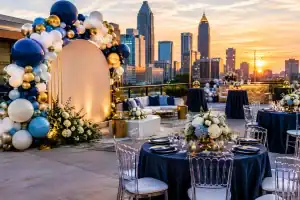
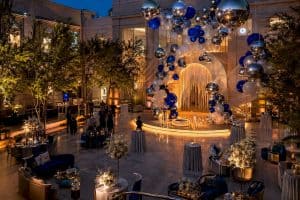
- VIP photo-op night with a signature installation. A balloon arch or backdrop at the entrance gives every guest a reason to post before they even sit down.
- Community leader preview. Invite the chamber of commerce, neighborhood association heads, or local officials for an early look and a personal connection to your launch.
- Charity or silent auction tie-in. Partner with a local nonprofit for a preview night, which builds goodwill and gives press outlets a reason to cover you.
Lower-cost and lower-lift options:
- Partner supplier preview. Invite your vendors and suppliers, low-pressure guests who genuinely want you to succeed.
- Behind-the-scenes tour night. Let a small group see the kitchen, the stockroom, or the back office before the public does, which builds a sense of insider access.
- Loyalty sign-up station. Set up a simple table near the entrance to capture emails or app downloads while goodwill is highest.
- Gift card incentive for return visits. Hand guests a small credit toward their next visit, which pulls them back during opening week when reviews matter most.
- Limited-menu tasting stations. Instead of full table service, run a few tasting stations that let the kitchen focus on fewer dishes done well.
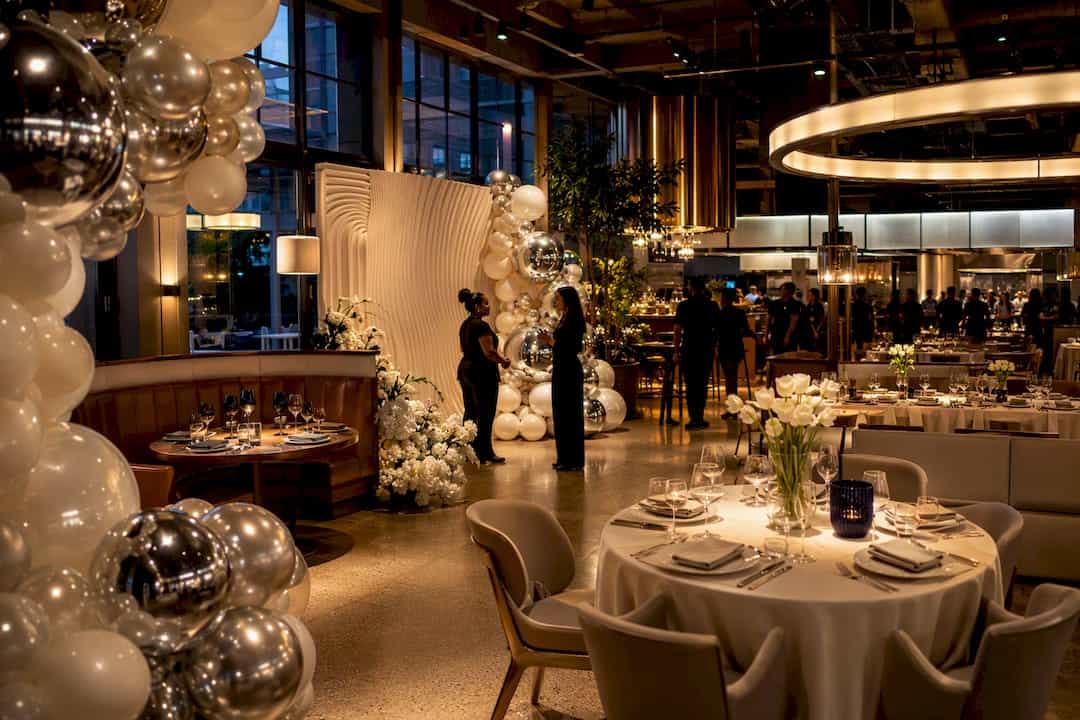
Pro Tip: When you stage a photo wall or balloon backdrop for a soft opening, place it near the entrance or a side wall, never directly in the path between the host stand and the dining room. A backdrop that blocks traffic defeats the purpose of testing real service flow.
How to Plan a Soft Opening: A Week-by-Week Checklist
A soft opening checklist works best as a countdown, not a to-do list you tackle all at once. Here is the timeline that keeps most launches on track.
- Six weeks out: Confirm permits, finalize your limited menu or scaled offering, and book any décor or staging vendors so installations are ready well before delivery day.
- Four weeks out: Train staff on point-of-sale systems, run a mock ticket flow in the kitchen, and test online ordering or delivery integrations end to end.
- Two weeks out: Build your invite list, send RSVPs with staggered arrival times, and confirm bench staffing so you have backup if someone calls out.
- One week out: Hold a pre-shift brief that walks every team member through their role, run a full dry run of seating and queue pathways, and print or load your feedback tools.
- Day of: Assign roles clearly, walk the space one final time to check sightlines and traffic flow, and brief staff that this is a real test, not a rehearsal.
- Day after: Hold your debrief immediately while details are fresh, and log every issue before staff scatter for the day.
Treat the soft opening like a real service, not a dress rehearsal. That mindset shift, more than any single checklist item, is what separates a useful test from a party that just happens to happen early.
Who to Invite and What to Charge
Your guest list should mix friends and family with people who will give you honest, useful feedback: other business owners, local media, industry contacts, and a handful of true strangers if you can manage it. Stagger arrivals across the evening to simulate a real flow of guests rather than one overwhelming crowd at 6 p.m. sharp, following a smart group booking workflow to manage arrivals smoothly.
Size your guest count to match your anticipated busy shift. Inviting too few people is a common mistake that owners make, and it means your soft opening never reveals the pressure points a real Friday night will expose.
- Complimentary pricing gets you the most honest feedback but costs the most and can attract guests who are not your target customer.
- Discounted pricing, often 25 to 50 percent off, is the common middle ground that keeps guests invested while still testing your service at near-real conditions.
- Full-price service gives you the truest read on customer reaction but requires confidence in your systems already.
- Limited menus should include your signature dishes and one representative item from each category so the kitchen faces real ticket variety without full-menu overwhelm.
State tipping expectations clearly on the invitation regardless of which pricing model you choose, so your staff gets compensated fairly for a night of genuinely hard work.
Collecting Feedback That Actually Improves Your Opening
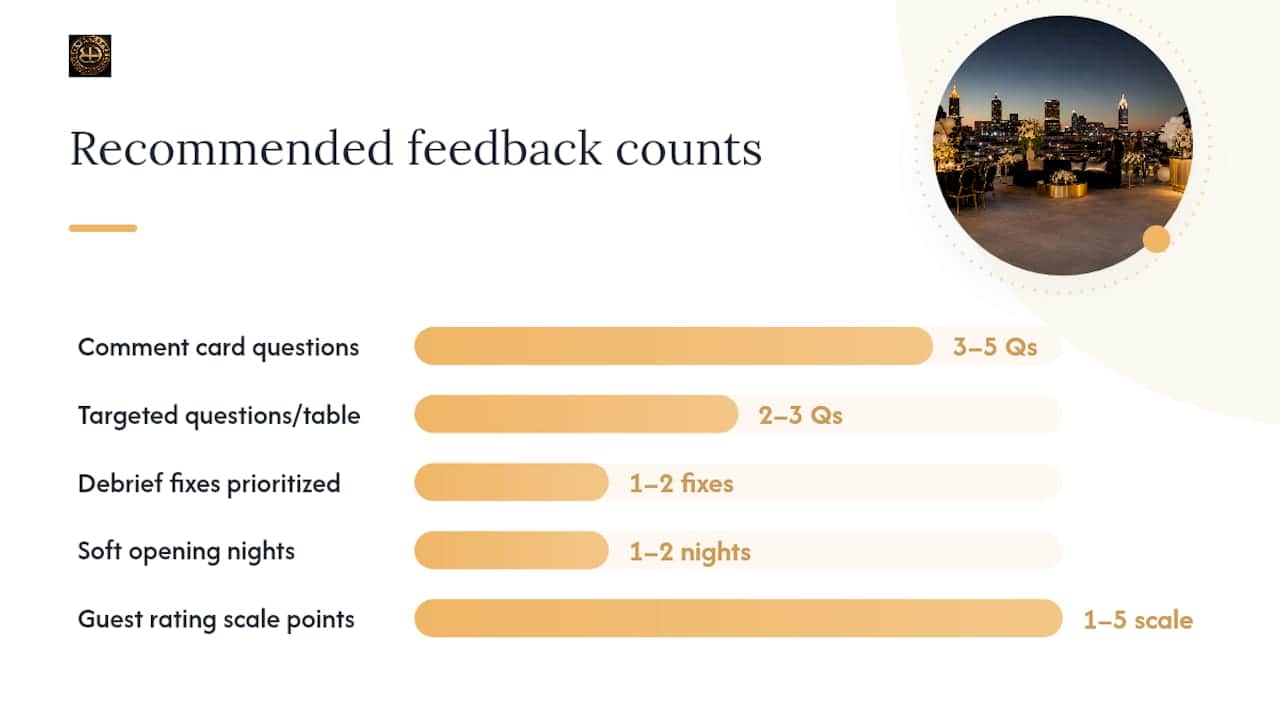
Structured feedback beats casual conversation every time. Short comment cards with three to five focused questions, or a QR code linking to a two-minute survey, give you consistent data you can act on instead of scattered impressions.
Managers should walk the floor with specific prompts, not a generic “how was everything?” Ask about pacing between courses, food or product temperature, and how long guests waited before being greeted.
- Ask guests to rate wait time, service pace, and overall satisfaction on a simple 1 to 5 scale.
- Have managers ask two or three targeted questions per table instead of one vague check-in.
- Run a post-service debrief the same night: name exactly what broke, assign one person to fix it, and set a way to verify the fix worked.
- Prioritize only one or two fixes per debrief rather than trying to overhaul everything at once.
Most businesses need just one to two soft opening nights before key metrics like ticket times and error rates stabilize. If problems keep multiplying instead of shrinking after two attempts, the issue is usually training or staffing depth, not the menu or the room.
Permits, Inspections, and Legal Considerations Before You Open
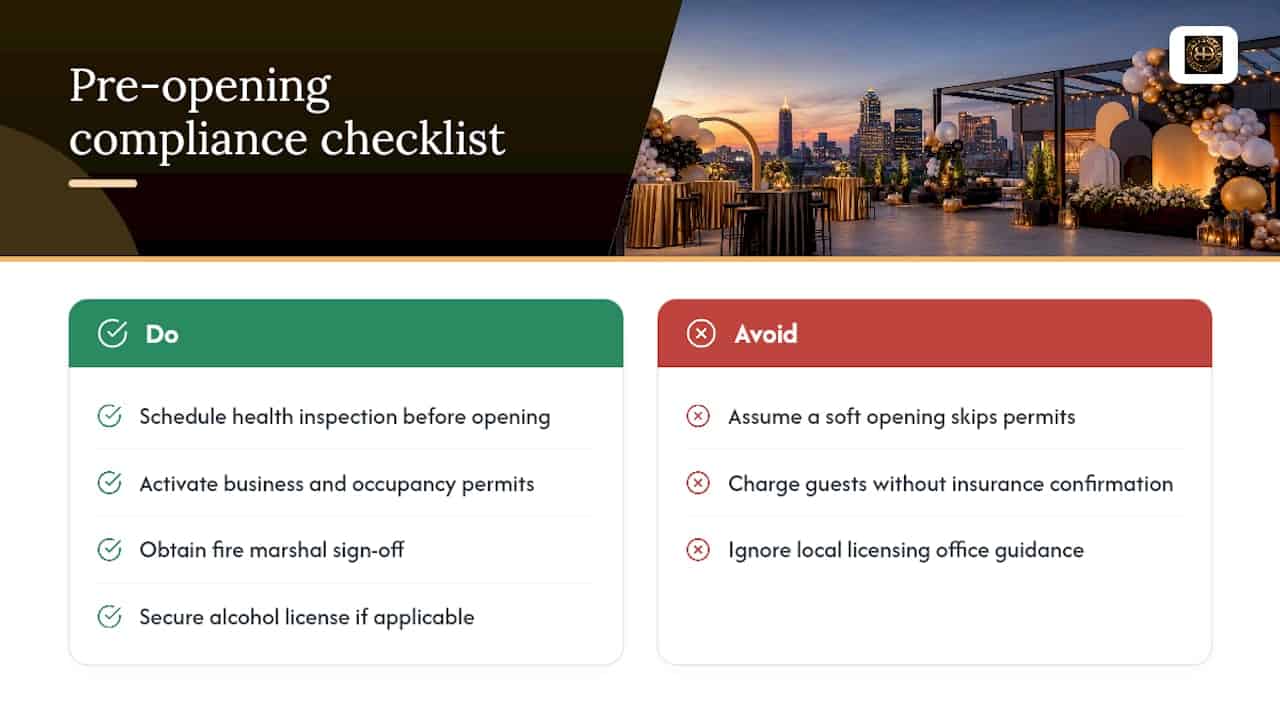
A soft opening does not exempt you from the rules that govern your grand opening. If you serve food or beverages, your local health department inspection typically has to happen before you serve a single guest, even an invited one at a “test” event. Contact your city or county health department directly to confirm inspection scheduling, because timelines vary and can take longer than owners expect.
Business licenses, occupancy permits, fire marshal sign-offs, and alcohol licenses (if applicable) all need to be active before your soft opening, not just before your grand opening. Many owners mistakenly assume a “practice” event carries lighter requirements. It does not, in most jurisdictions.
If you are charging guests anything, even a discounted rate, you are legally operating as open for business, which triggers the same insurance, tax, and labor requirements as any regular shift. Confirm with your insurance provider that your policy covers a soft opening specifically, since some general liability policies define “opening date” in ways that could leave a gap in coverage.
Signage matters too. If your permanent signage or exterior branding is not yet installed, check whether your municipality requires temporary signage to disclose that you are open, particularly for retail storefronts where passersby might assume you are fully operational. When in doubt, a quick call to your local business licensing office costs nothing and can save you a shutdown on your most important week.
What Kay Has Learned Styling Soft Openings
Three things separate a soft opening that photographs well from one that also functions well. First, stage your highest-impact visual moment, whether that is a balloon arch or a marquee letter display, somewhere it draws guests in without blocking the paths your staff need to move through. Second, use a digital mockup before installation day to confirm sightlines and timing, so nothing gets rearranged last minute while your team is trying to run a real service. Third, dress the room with genuine polish, but schedule enough covers that your staff feels actual pressure. A soft opening that never gets busy never teaches you anything.
— Kay
Let Atlanta Balloon Designer Handle the Visuals While You Handle the Test
Atlanta Balloon Designer is the alternative to guessing at your soft opening’s visual impact. Instead of hoping a last-minute backdrop looks right on the night that matters most, you get a digital mockup that confirms sightlines, colors, and placement before our team ever sets foot on-site, so nothing competes with your staff’s traffic flow.

We serve business owners across Atlanta and surrounding communities within a 60-mile radius, including Marietta, Austell, Smyrna, and Sandy Springs, with everything from a single statement arch to a full room transformation. If you are planning a preview night and want décor that photographs beautifully without getting in your team’s way, request a digital mockup or schedule a site visit today, and let us build the backdrop your soft opening deserves.
Sources
- How To Plan a Retail Soft Opening for Your New Store (2025) – Shopify
- What is a soft opening and how to plan one? – DoorDash merchants
- Restaurant soft opening guide – 7shifts
FAQ
What Are Some Successful Soft Launch Examples?
Successful soft launches usually share three traits: an invite-only guest list, a limited menu or offering, and a real feedback loop that leads to changes before the grand opening. Restaurants that run staggered arrival waves to simulate a busy Friday night tend to catch service problems that a quiet, half-empty room never would.
What Are Some Creative Ideas for a Soft Launch Event?
Strong options include an industry night for other local business owners, a small influencer tasting, a VIP photo-op built around a statement balloon installation, or a behind-the-scenes tour for a handful of guests. Pick the idea that matches your real goal, whether that is testing systems or building early word-of-mouth.
What Are Some Creative Ideas for a Store Opening?
Retailers can run appointment-only preview slots, a loyalty sign-up station near the entrance, or a partner supplier night to test checkout flow and staff scheduling before the public arrives. A quiet, unannounced trial run with no marketing at all can also surface issues that a promoted event would mask.
Can the Public Go to a Soft Opening?
Soft openings are typically invitation-only events for a controlled group, not open to the general public, so owners can manage flow and collect forgiving, useful feedback. Some businesses choose to run a quiet, unadvertised session that technically allows walk-ins, but most keep the guest list curated on purpose.