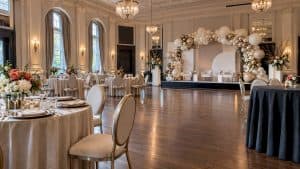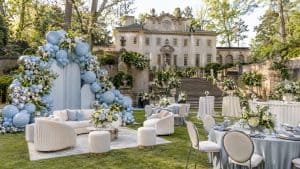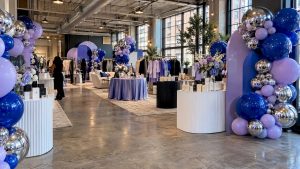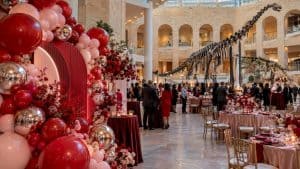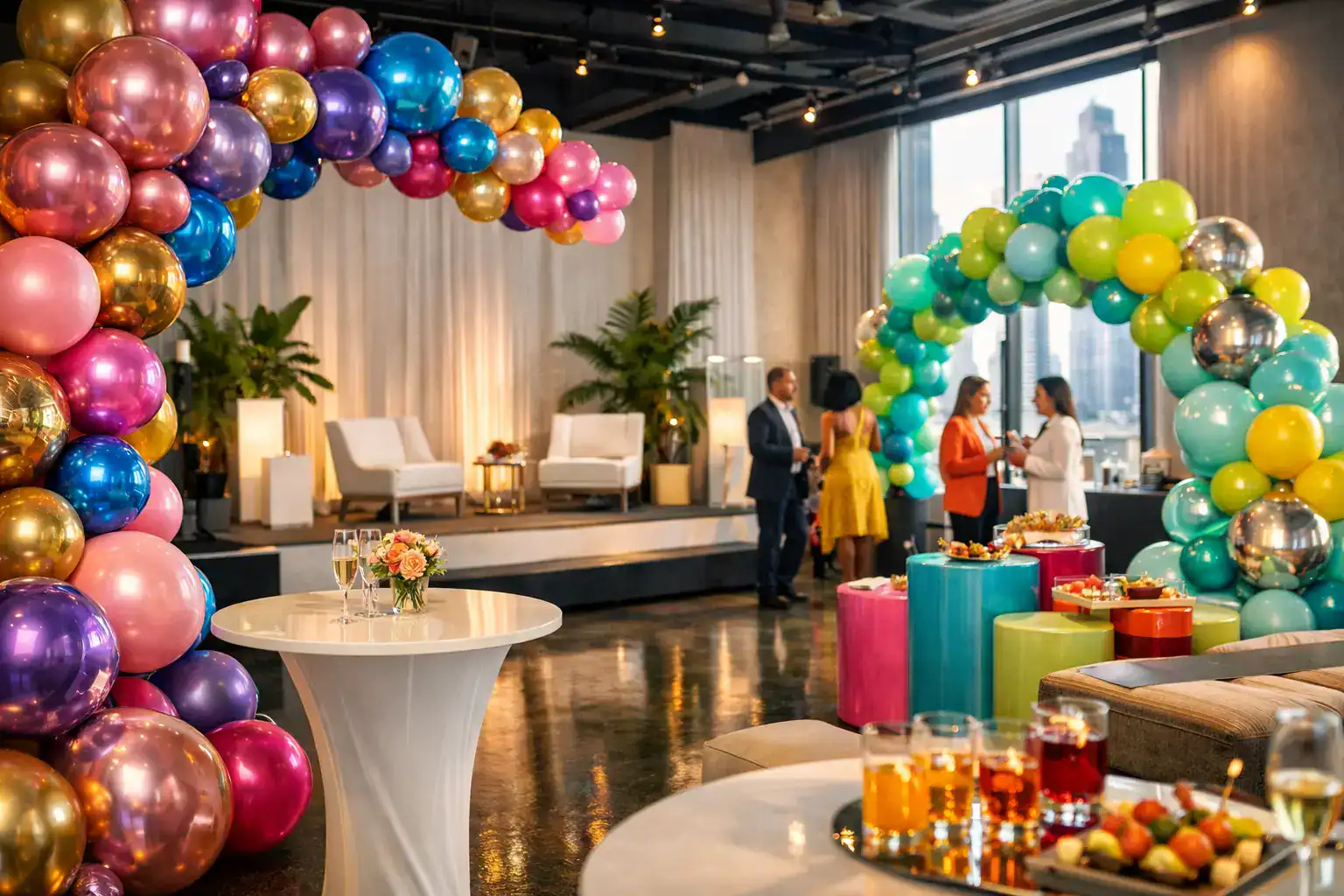
A corporate activation has a few seconds to earn attention. Whether guests are walking into a product launch, passing a trade show booth, or arriving for an employee celebration, the visual experience tells them exactly how much the brand values the moment. This guide to corporate brand activations is built for teams that want more than a logo on a backdrop. It is for brands ready to create a polished, photo-worthy experience people want to enter, share, and remember.
Start With the Moment You Want to Create
The strongest activations do not begin with balloon colors, furniture rentals, or a menu of decor options. They begin with a clear reaction. Do you want guests to feel energized by a new product? Celebrated by their employer? Curious about a rebrand? Connected to a cause? That emotional target guides every creative decision that follows.
For a grand opening, the moment may be about momentum and visibility: a dramatic entrance, branded balloon columns, a ribbon-cutting focal point, and a photo moment that makes the opening look as major as it feels. For a conference, the job may be different. You need a memorable touchpoint in a busy environment where attendees have dozens of competing things to see.
Write the activation objective in one sentence before choosing design elements. For example: “Create a vibrant photo experience that introduces our new flavor line and generates social content.” That sentence gives your event producer, marketing team, venue contact, and decor partner a shared target.
Define what success looks like
A beautiful event can still miss the mark if no one knows what it was meant to accomplish. Your key metric might be foot traffic, social shares, media photos, guest sign-ups, employee participation, or qualified conversations. Often it is a blend of these.
The trade-off is simple: an activation designed for visual reach may need a larger, more open photo backdrop, while one designed for lead capture needs a layout that encourages guests to pause and engage. A smart design makes room for both without making the experience feel like a sales pitch.
Build the Brand Into the Environment
Corporate brand activations work best when the branding feels designed into the scene, not pasted on at the end. Your logo matters, but color, scale, texture, language, product shape, lighting, and guest flow matter just as much.
Start with your non-negotiables. This may include brand colors, campaign messaging, logo usage, a product hero, or a specific visual theme. Then give the creative team room to interpret those assets with dimension. A bold organic balloon installation can pull from a campaign palette without looking like a flat color chart. A custom photo backdrop can incorporate logos while still giving guests a flattering, editorial place to stand.
Luxury comes from intention. One high-impact focal point with custom details usually makes a stronger impression than a room filled with disconnected decorations. Think sculptural balloon arches at an entry, a branded backdrop with marquee letters, or a statement balloon wall framing the product reveal. Every piece should support the same visual story.
Design for the camera, not just the room
If an activation is only impressive from one angle, it leaves opportunity on the table. Guests will photograph the entrance, the main moment, the bar, the product display, and each other. Design these moments with camera sightlines in mind.
A successful photo op needs enough width for groups, enough depth to feel dimensional, and lighting that does not create harsh shadows. It also needs a clear place for the brand to appear in photos. That could be a customized backdrop, a step and repeat treatment, dimensional signage, or branded elements woven naturally into the installation.
Avoid placing your hero decor where it will be blocked by registration tables, catering lines, or speaker equipment. Venue walkthroughs are where great concepts become workable plans.
Choose an Activation Format That Fits the Audience
Not every event needs the same kind of spectacle. The right format depends on who is attending, how long they will stay, and what you need them to do.
At a trade show, guests move quickly. A tall, colorful installation, an interactive photo booth, and a clear branded focal point can stop traffic without requiring a long commitment. At an internal employee appreciation event, you can create more discovery: a celebratory entrance, themed activity stations, DJ entertainment, caricature artists, or a photo experience that gives teams something to take home.
For VIP receptions and media events, restraint can be just as powerful as scale. Elevated florals, refined balloon styling, curated lounge moments, and a beautifully branded step and repeat may be the right move. A full immersive build is not automatically better. If the audience expects polish and privacy, an overfilled room can feel distracting rather than premium.
Here are five activation elements that consistently create visual energy when they are matched to the event goal:
- A statement entrance that signals guests have arrived somewhere special
- A branded photo backdrop or balloon wall built for group photos and press images
- Custom balloon installations that bring campaign colors into the space with movement and dimension
- Interactive entertainment such as photo booths, balloon twisters, face painters, DJs, or caricature artists
- A product or message reveal moment that gives guests a reason to gather and react
The best mix depends on timing. A two-hour networking event may need instant-impact visuals, while an all-day experience can support multiple zones and repeat engagement.
Plan the Guest Journey, Not Just the Decor
Guests should understand where to go without being told. That is the difference between a room with decorations and a true activation. Map the experience from arrival through departure.
What do they see first? Where do they check in? What pulls them toward the main brand moment? Where do they take photos? What happens after the photo? A strong flow creates natural pockets of activity and prevents the most valuable feature from becoming a traffic jam.
For a retail launch or property opening, the entry may be the hero. For a corporate gala, the focal point may be a red-carpet photo moment before guests enter the ballroom. For a conference sponsor, it may be a high-energy booth experience that is visible from several aisles away.
Do not overlook practical details. Confirm ceiling height, access doors, loading windows, power availability, fire codes, venue restrictions, and where installations can be secured. Balloon installations can create jaw-dropping scale, but the design needs to respect the venue and event timeline. Early coordination protects the creative vision from last-minute compromises.
Make Setup Part of the Strategy
Great activations often look effortless because the production plan was not. Corporate events run on tight timelines, especially in hotels, convention centers, office lobbies, and active retail spaces. Your decor partner should know when the room is available, what other vendors are doing, and when photography or media arrivals begin.
Share the event run of show, not just the invitation. A product reveal at 10:00 a.m. has different setup needs than a cocktail event beginning at 7:00 p.m. If branded content will be filmed, the team also needs to know where cameras, lighting, and talent will be positioned.
For Atlanta-area events, this planning matters even more when traffic, downtown loading schedules, or large venue logistics are involved. Atlanta Balloon Designer brings full-service styling and installation into the process so the visual experience is executed with the same energy as the original concept.
Measure the Buzz After the Event
An activation should have a life beyond the final guest departure. Collect event photos and short video clips while the design is fresh and full. Encourage your team to save user-generated content, note common guest reactions, and track any campaign-specific tags, QR scans, sign-ups, or inquiries.
Ask a few direct questions afterward. Which area drew the most people? Did guests understand the message? Were the photos shareable? Did the layout create bottlenecks? These answers make the next activation sharper, whether you are planning a one-time launch or a recurring brand campaign.
The real win is not simply that people saw the decor. It is that they felt the brand in the room, captured the moment, and carried that feeling with them after the lights came down.