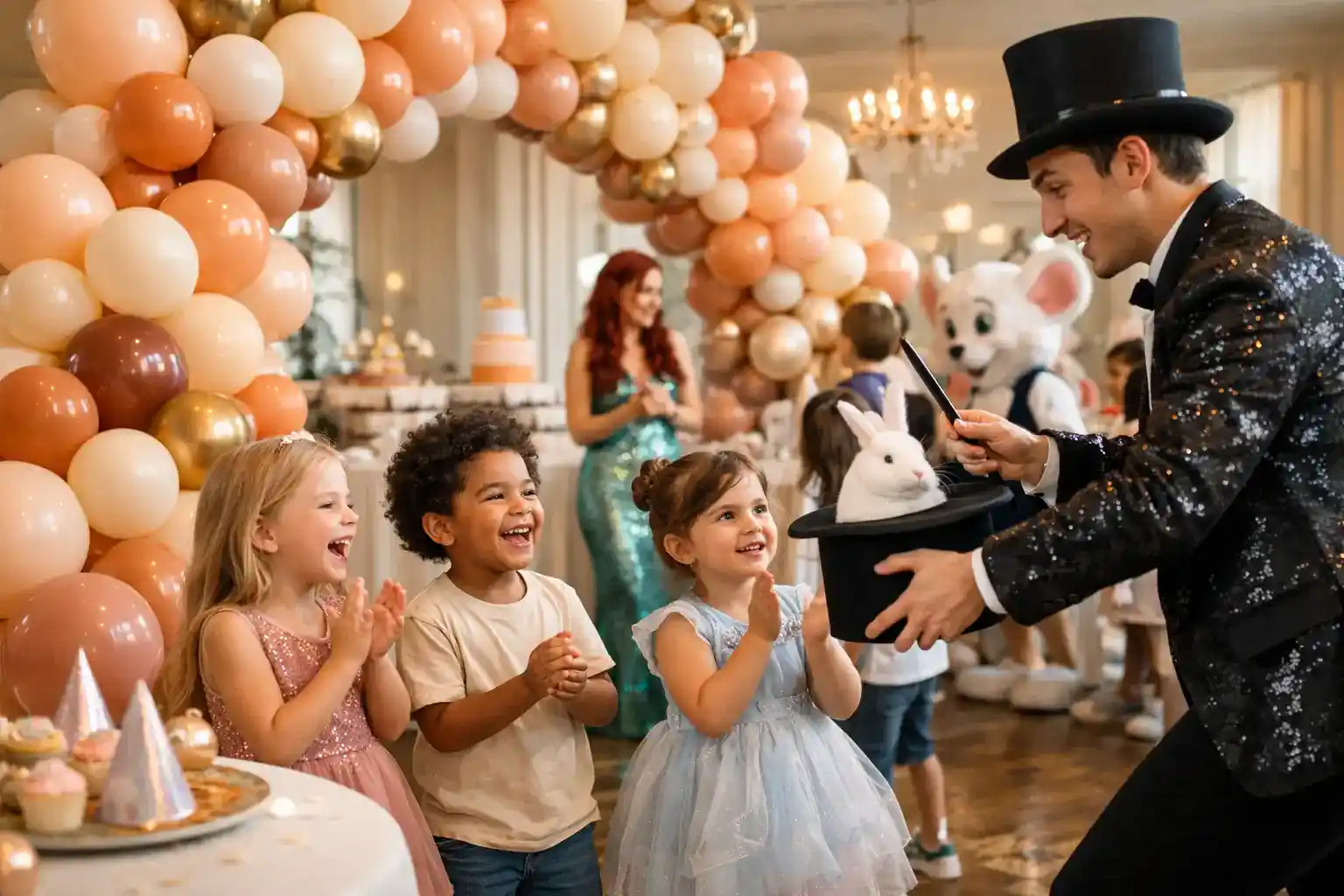
The first 15 minutes of a kids party can make or break the entire experience. Children arrive with huge energy, parents are trying to settle in, and the room needs an immediate focal point that says, “This is going to be amazing.” This guide to kids party entertainment is built for hosts who want more than a room full of kids waiting for cake. The goal is an experience with movement, laughter, beautiful photo moments, and a flow that feels polished from the first arrival to the final favor.
The best entertainment is not always the loudest option or the longest booking. It is the activity that fits the children’s ages, the venue, the party style, and the moments you want guests to remember. When those pieces work together, the celebration feels effortless – and looks pure fire in every photo.
Guide to Kids Party Entertainment: Begin With the Party’s Big Moment
Before choosing a performer, decide what you want the party to be known for. Is it a colorful first birthday where family photos matter most? A high-energy birthday for elementary-age kids? A company family day where employees’ children need engaging activities while adults mingle? Each calls for a different entertainment plan.
For younger children, the visual reveal often carries more impact than a packed schedule. A custom balloon garland, statement backdrop, marquee number, or themed photo moment gives guests something exciting to see the second they walk in. Add gentle interactive entertainment, such as balloon twisting or face painting, and the party has a natural rhythm without overwhelming little guests.
Older kids usually want participation. They want to dance, compete, create, laugh, and show off what they made or won. A DJ who knows how to read a young crowd can turn open floor space into the center of the celebration. Caricature artists give guests a personal takeaway, while a photo booth creates a stream of spontaneous group shots that adults love as much as the kids do.
The key is choosing one hero moment, then using the rest of the entertainment to support it. Trying to book every possible attraction can make the event feel scattered. One standout visual installation and two well-timed entertainment elements often deliver more impact than six activities running at once.
Match Entertainment to the Age Group
Age range is the detail many hosts underestimate. A brilliant entertainer can still miss the mark if the activity is too slow for the crowd or too complicated for the youngest guests.
Toddlers and preschoolers respond best to color, simple interaction, and short bursts of attention. Think balloon art, cheerful face painting designs, music, bubbles, and a decorated play-friendly space where parents can stay close. Keep any structured moment brief. At this age, children move on quickly, and that is completely normal.
For kids around ages five through eight, imaginative play and visible results are a winning combination. Balloon twisters are a strong choice because kids can watch the creation happen, make a request, and leave with something personal. Face painters, character-inspired designs, music games, and photo opportunities work beautifully here too.
Preteens tend to be more selective. They may not want activities that feel too young, but they still want something fun to do together. This is where a DJ, interactive dance games, a polished photo booth, and caricature art can shine. Give them a backdrop worthy of their group photos, and they will create the content for you.
Mixed-age parties require balance. Create a visible activity area for younger children, a separate high-energy zone or photo moment for older kids, and a layout that lets adults supervise without feeling like they are standing in the middle of the fun.
Build a Schedule That Leaves Room for Real Fun
Entertainment works best when it has a job to do. Use it to welcome guests, fill the transition before food, create an energy peak, or keep children engaged while gifts are opened or adults reset the room.
Start with a visual entrance and an open activity. A balloon artist or face painter is ideal during arrivals because kids can participate at different times without missing a performance. Once most guests have arrived, introduce the main shared moment, whether that is DJ-led dancing, games, a show, or another interactive feature.
Avoid scheduling the most exciting entertainment at the same time as food or cake. Kids will be pulled in two directions, and parents will be trying to manage plates, photos, and excited children at once. Give each major moment its own space. A short pause between activities is not wasted time – it lets guests talk, take photos, and enjoy the environment you created.
For a two-hour party, a strong formula is a lively welcome activity, one central entertainment moment, food and cake, then a final photo or dance moment before departure. Longer events, especially corporate family celebrations, can use rotating entertainment stations so guests can participate at their own pace.
Make the Entertainment Look Like Part of the Design
The difference between a nice party and a jaw-dropping one is often visual coordination. Entertainment should not feel dropped into an otherwise unrelated room. It should be framed by the event design.
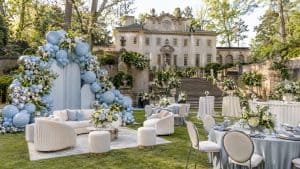
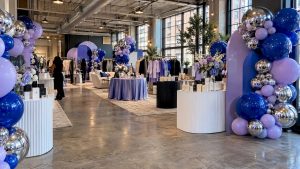
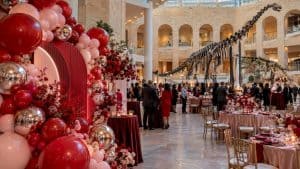
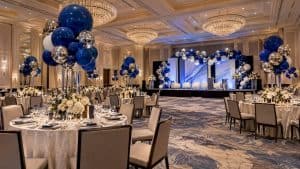
A balloon installation can define the dance floor, frame the cake table, spotlight the entertainer, or turn a plain wall into a magnetic photo backdrop. Select colors that support the theme without making every detail overly literal. Bold color blocking, chrome accents, organic balloon styling, custom signage, and layered backdrops can give a kids party a luxury finish while keeping the mood playful.
This matters even more when parents, team leaders, or brand hosts want photos that feel intentional. At employee appreciation events, school celebrations, retail activations, and family days, a photo-ready centerpiece helps the event live beyond the room. Guests naturally gather around it, share photos, and remember who created the experience.
Atlanta Balloon Designer approaches this kind of celebration as a full visual environment, pairing custom decor with interactive entertainment so the room feels designed for the fun, not merely decorated around it.
Ask the Questions That Prevent Day-Of Surprises
The most memorable kids entertainment still needs practical planning behind it. Confirm the entertainer’s setup footprint, power needs, break schedule, arrival time, and whether the venue has restrictions on music volume, glitter, paint, or balloon placement. If the party is outdoors, ask about weather backup plans before booking.
Also think about guest flow. A face-painting station needs a clear line area. A DJ needs room for dancing. A photo booth needs enough space for groups to gather without blocking food service. Balloon twisting is flexible, but the artist still needs a spot where children can approach comfortably and parents can find them easily.
For corporate planners and hosts of larger events, capacity matters. One artist may be perfect for a small birthday party but create a long wait at a family event with 100 children. In that situation, multiple entertainment stations or a mix of open activities keeps the experience moving. It depends on the number of children, the event window, and whether everyone needs to participate in the same activity.
Invest Where Guests Will Feel It
A realistic entertainment budget is less about choosing the cheapest option and more about protecting the moments guests will actually notice. Spend on the arrival experience, the central activity, and the photo moment. Those are the pieces that shape energy, guest participation, and the images people keep.
If the budget is tight, choose one premium entertainer and give that feature a strong visual setting. A talented balloon twister positioned beside a custom backdrop can feel far more elevated than several disconnected rentals. If you have more room in the budget, layer a DJ, photo booth, face painter, or caricature artist into the timeline with purpose.
Book early when the event falls near weekends, school breaks, holidays, or peak corporate celebration seasons. Share the guest count, age range, venue details, party theme, and desired vibe up front. The clearer the creative brief, the easier it is to build an entertainment plan that feels custom rather than generic.
Great kids party entertainment does more than occupy children. It creates the gasp at the entrance, the laughter in the middle of the room, and the photos families keep long after the balloons come down. Start with the feeling you want guests to carry home, then design every activity around making that feeling real.