The best retail window balloon displays use air-filled structural installations, organic arches, garlands, or stacked frames, built around a single focal product or entrance rather than scattered décor. This approach holds up outdoors, photographs well, and keeps shoppers looking longer. Below you’ll find 8 to 10 display concepts, build and safety guidance, and simple ways to measure results, drawn from storefront display research and our own portfolio at Atlanta Balloon Designer.
TL;DR:
- Air-filled structural balloon displays last longer outdoors and maintain shape despite temperature fluctuations, unlike helium balloons that drift and sag quickly.
- Using a limited color palette of two or three tones enhances clarity and reduces clutter from the sidewalk view.
- Proper mounting hardware, including tension rods and suction-safe mounts, prevents safety issues and complies with fire codes such as NFPA 701.
- Measuring success involves tracking foot traffic, QR code scans, social shares, and sales increases over a 30-day period.
- Professional design and installation services provide accurate mockups, secure outdoor-ready structures, and save time on costly rebuilds and adjustments.
Table of Contents
- 1. Creative retail window balloon display ideas that work
- 2. Materials, framing methods, and a setup checklist
- 3. Fire code and consumer safety rules you can’t skip
- 4. How to measure whether your display is working
- 5. How Atlanta Balloon Designer approaches retail window activations
- My take on what actually moves the needle
- Bring a professional touch to your storefront window
- FAQ
- Sources
1. Creative retail window balloon display ideas that work
A well-placed window display increases category purchase behavior, and optimized display allocation can lift revenue by an average of around 11.15%, according to research on in-store display impact. Front-of-store placement carries more weight than secondary displays tucked toward the back, exactly why your window deserves the same care as your sales floor. Here are the concepts that consistently earn a second glance.
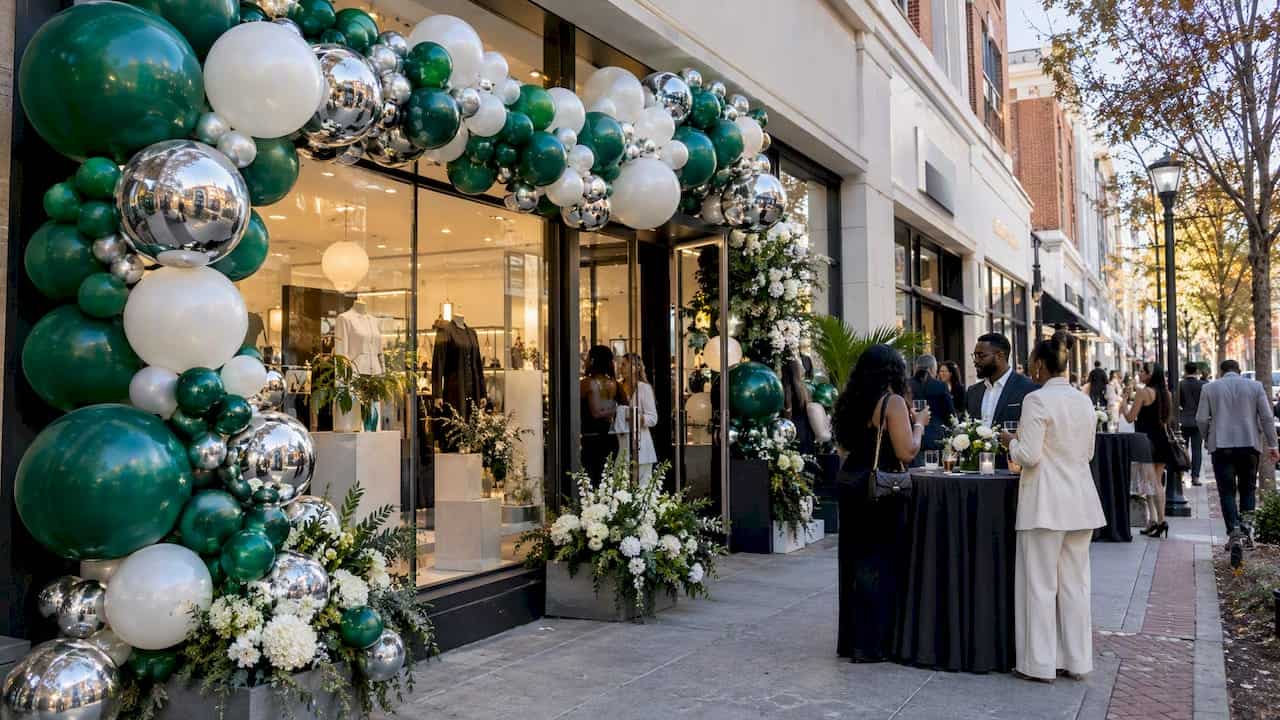
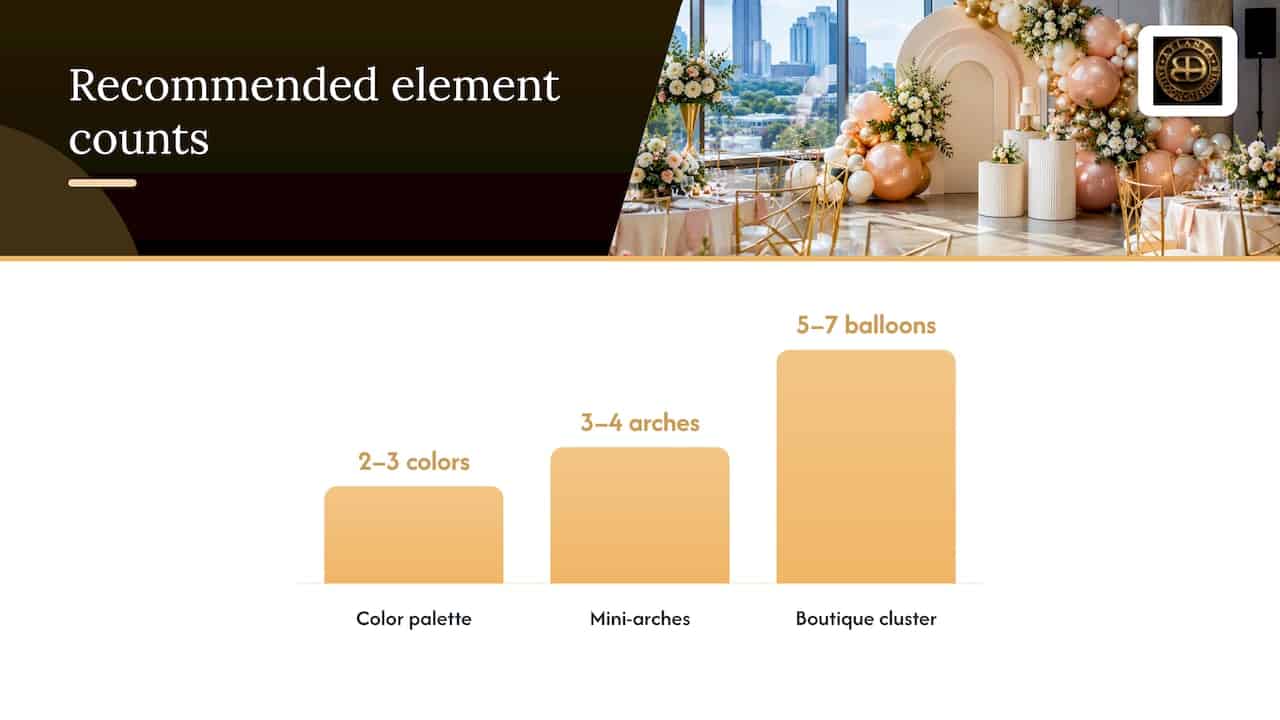
- Organic garland window frame: A loose, cloud-like garland traces the top and sides of your window, ideal for grand openings or seasonal refreshes. Build it air-filled on a lightweight frame for durability, and keep the palette to two or three tones so the eye reads it as one shape, not a pile of balloons.
- Product-as-decoration scene: Balloons cluster around a hero product (a handbag, a new sneaker, a holiday gift set) so the product stays the star. Air-filled clusters anchored to risers hold their shape for weeks without refills.
- Stacked mini-arches across the sill: Three or four small arches of graduating height create rhythm along a wide window. This suits sales events where you want motion and energy without a single oversized centerpiece.
- Floating backdrop wall: Balloons mounted in a grid pattern on a foam or PVC backdrop give depth without floor clutter, good for narrow windows where floor space is tight.
- Minimalist luxury spotlight: Just five to seven high-gloss, oversized balloons in a tight cluster beside a single product reads upscale and modern. This works best for boutique or jewelry storefronts where restraint signals quality.
- QR-code photo-op frame: An arch or garland frames a printed QR code inviting shoppers to scan for a promotion. Pair this with air-filled construction since the display may stay up for a full campaign cycle.
- Seasonal vignette: Balloons styled with seasonal props (pumpkins in fall, string lights in winter, pastels in spring) refresh the same frame structure throughout the year, saving on repeat builds.
- Mannequin or product framing: Balloons arc around a mannequin or product stand rather than the window itself, drawing the eye straight to what you’re selling.
- Entrance column pair: Two matching balloon columns flank the door, marking the entrance from a distance, useful for pop-ups or temporary storefronts that need instant visibility.
- Marquee letter spotlight: A short word like “NEW” or “SALE” in marquee letters, framed by a small balloon cluster, gives shoppers an instant, scannable message.
Pro Tip: Favor air-filled, frame-anchored builds for anything facing outdoor light or temperature swings; helium floats sag and drift within hours in direct sun.
Pro Tip: Limit any single display to two or three colors so the composition reads clearly from the sidewalk, not just up close.
2. Materials, framing methods, and a setup checklist
A storefront build holds up when it starts with the right materials, not just good balloons. Here’s what a vendor-ready brief should include.
- Core materials: Commercial-grade latex balloons, balloon tape or decorating strips, a hand or electric pump, and a PVC or lightweight metal frame sized to your window.
- Mounting hardware: Suction-safe glass mounts or tension rods that won’t mark the window frame or glass.
- Lighting: LED accent strips add glow after dark without heat risk near the balloons.
- Air versus helium: Air-filled, frame-mounted builds last far longer and hold their shape through temperature swings, which matters for a display that lives in direct window sun. Helium earns a place only for short-term, sealed floats inside enclosed display cases where drift and deflation aren’t a factor.
A simple build sequence: measure the window, request a digital mockup, confirm your palette, assemble the frame, secure it to anchors rated for the frame’s weight, and set a daily inspection routine to catch sagging or popped pieces early.
Pro Tip: Budget builds lean on latex and tape alone; premium builds add LED lighting and custom frame fabrication for a cleaner silhouette.
3. Fire code and consumer safety rules you can’t skip
Combustible decorative materials, including some balloon installations, are limited by building and fire codes, and suspended decorations may need to meet NFPA 701 flame propagation testing depending on your local fire code official’s requirements. The CPSC warns that uninflated or broken balloons are a suffocation hazard for young children, so any display accessible to the public needs a clear disposal routine.
- Keep displays clear of exits, exit signage, and fire suppression equipment at all times.
- Anchor every structure to resist wind gusts through an open door or sidewalk breeze.
- Check daily for popped or deflating balloons and remove pieces immediately.
- Label disposal bins so staff know exactly where broken pieces go, and train new team members on the routine during onboarding.
4. How to measure whether your display is working
You don’t need expensive tools to know if a window display earns its keep. Track these in order of effort.
- Count foot traffic manually or with an existing camera system for one week before and after the install.
- Track QR or UTM scans tied to any code or promotion featured in the window.
- Watch social shares or a branded hashtag if the display is photo-friendly.
- Compare POS sales on the featured product against its normal baseline during the same display period.
- Run a simple A/B test: style two windows differently, or swap the display every two weeks, and compare the numbers side by side.
Record results after one week for a quick read, then again at 30 days to confirm the pattern holds before committing to a bigger seasonal rollout.
5. How Atlanta Balloon Designer approaches retail window activations
I design and install window activations for retailers across Atlanta and the surrounding area. Our process starts with a digital mockup so you see the design before a single balloon is inflated, followed by a site visit to confirm measurements and mounting points, then installation and a post-install inspection to make sure everything holds.
- Mockups catch color and scale issues before install day, saving a reinstall.
- Site visits confirm window dimensions, anchor points, and lighting conditions.
- Post-install checks verify the structure is secure and code-aware for the space.
A typical retail activation runs from a single focal arch to a full window-to-door garland, built to outlast a seasonal campaign without a midweek refill.
My take on what actually moves the needle
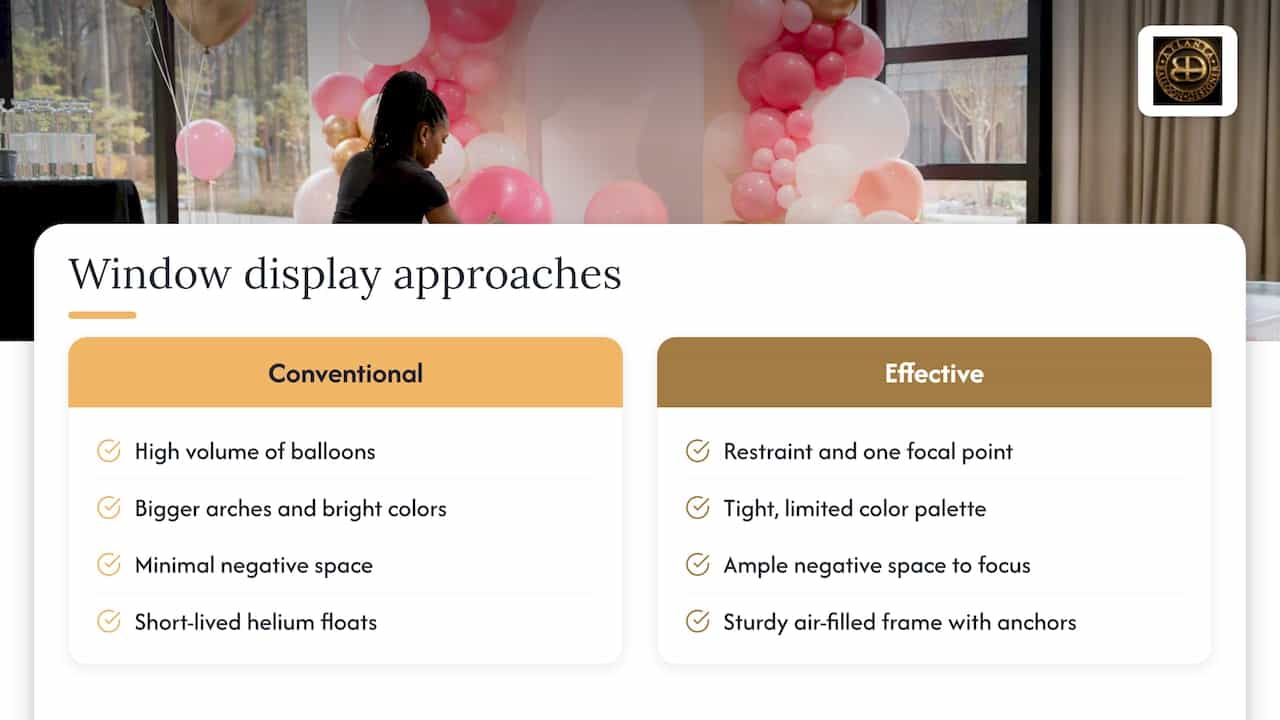
Most retail window advice fixates on volume: more balloons, bigger arches, brighter colors. That’s backward. The displays that actually hold attention use restraint, a single focal point, a tight palette, and enough negative space for the eye to land somewhere specific. A window crammed with color reads as clutter from the sidewalk, which is the one vantage point that matters most.
The conventional wisdom also underrates longevity. A gorgeous helium float that sags by Wednesday costs more in labor and reinstalls than a sturdier air-filled frame ever would. If you’re weighing options, prioritize structure and anchoring before you even pick colors. Get that right, and the seasonal refresh becomes a palette swap on the same frame, not a rebuild every few weeks. That’s the difference between a display that looks good in a photo and one that earns its keep for an entire campaign.
— Kay
Bring a professional touch to your storefront window
If your window faces direct sun, heavy foot traffic, or a brand image that can’t afford a sagging garland by week two, a professional build pays for itself in fewer callbacks and a cleaner finish. We offer digital mockup services so you can preview your design before anything is built, along with site visits to confirm measurements and anchor points.

From there, we build organic arches, garlands, and stacked installations sized to your window, using code-aware materials and secure mounting designed for outdoor exposure. We serve storefronts across Atlanta and communities within about 60 miles, including Marietta, Decatur, and the greater metro.
- Request a digital mockup before committing to a design.
- Book a site visit to confirm your window’s exact dimensions and anchor points.
- Browse our balloon garland and arch services to compare options for your storefront.
Call 678.203.0200 or visit our pricing and services page to check availability for your next window refresh.
FAQ
What’s the best type of balloon display for a retail window?
Air-filled organic arches, garlands, or stacked frames built around a single focal product or entrance tend to perform best because they hold their shape longer than helium floats. For outdoor-facing windows, a frame-anchored structure also handles temperature swings without sagging.
Should I use helium or air-filled balloons for a storefront window?
Air-filled, frame-mounted balloons last longer and resist temperature changes better, making them the stronger choice for most storefront windows. Helium works only for short-term, sealed floats inside an enclosed display case where drift isn’t a concern.
Are there fire code rules for balloon displays in retail windows?
Yes, combustible decorative materials are restricted under building and fire codes, and some suspended installations may need to meet NFPA 701 flame propagation standards. Check with your local fire code official before a large or long-term installation.
How much does a professional retail window balloon display cost?
Pricing depends on scale and materials: our organic balloon arches start from $700, while a luxury organic arch starts from $1,000, plus delivery, setup, and strike down starting from $125. A digital mockup runs $75 if you want a design preview before booking.
How do I know if my window display is actually working?
Track foot traffic, QR or UTM scan counts, and point-of-sale numbers on the featured product before and after the install. Comparing one week against your normal baseline gives you a quick read, and a 30-day follow-up confirms whether the lift holds.
Sources
- Impact of different types of in-store displays on consumer purchase behavior
- Decorative materials other than decorative vegetation in new and existing buildings | UpCodes
- CPSC safety guidance on balloons and choking hazards