If you have ever hired a “planner” expecting a jaw-dropping room reveal, or booked a “decorator” assuming they would manage your timeline and vendors, you already know the planner versus decorator difference matters. A lot. It affects your budget, your stress level, your guest experience, and whether your event feels beautifully styled or beautifully run – ideally both.
This confusion shows up everywhere, from baby showers and milestone birthdays to corporate launches and graduation parties. People use the terms interchangeably, but they are not the same job. When expectations are blurry, the event usually feels it.
What is the planner versus decorator difference?
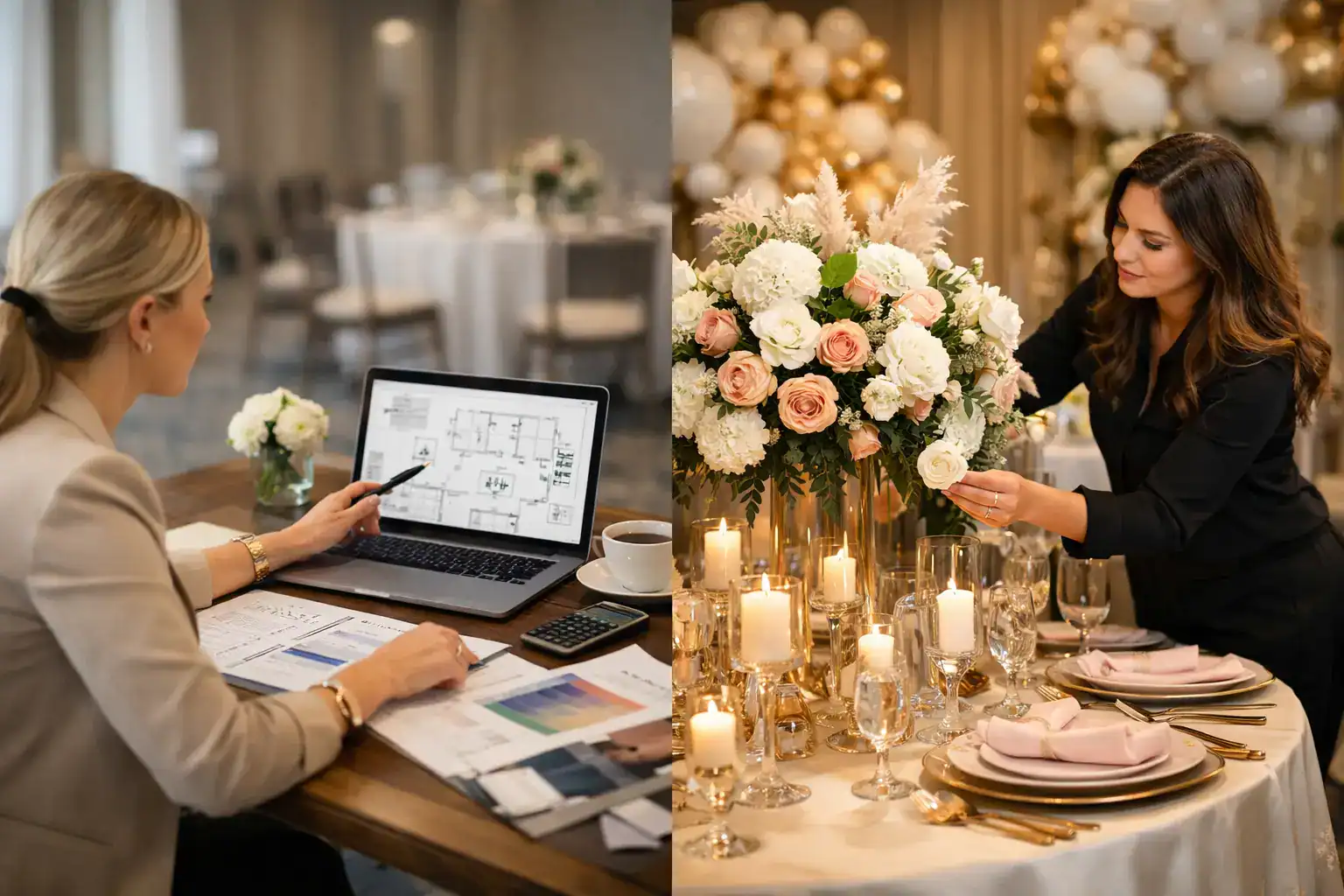
A planner is responsible for the logistics, coordination, and overall event flow. A decorator is responsible for the visual environment – what your guests see, feel, photograph, and remember.
Think of the planner as the person protecting the structure of the event. They handle moving parts like schedules, vendors, venue communication, setup windows, guest management details, rentals, and often the budget. Their job is to make sure the event actually functions.
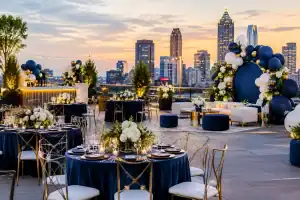
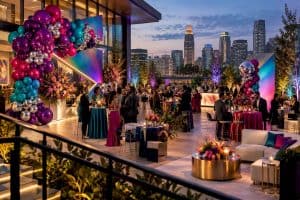
The decorator shapes the atmosphere. They translate a concept into a physical experience using color, scale, texture, focal points, signage, florals, balloons, backdrops, tablescapes, lighting accents, and design moments that stop people in their tracks. Their job is to make the event look elevated and intentional.
At luxury events, both roles matter because guests notice both. They remember whether the evening felt smooth, but they also remember the grand entrance, the custom backdrop, the statement balloon installation, and the details that made the room feel pure fire.
What an event planner actually handles
An event planner is typically the strategic lead. If your event has multiple vendors, timing-sensitive elements, a venue with rules, catering, entertainment, rentals, guest logistics, or a formal program, a planner is often the one keeping everything aligned.
That can include building the timeline, confirming arrival windows, communicating with the venue, organizing floor plans, managing RSVP systems, coordinating the cake delivery, cueing speeches, and troubleshooting when something shifts at the last minute. They are focused on operations as much as aesthetics.
Some planners also offer design guidance, but that does not automatically mean they are full decorators. They may help define the look and feel, recommend a palette, or source pieces that fit the event. Still, their core value is coordination and oversight.
For corporate events, this role becomes even more critical. Brand activations, grand openings, and employee events usually involve approvals, multiple stakeholders, strict timing, and production details that need tight management. A great planner keeps the machine moving.
What a decorator actually handles
A decorator takes the vision and turns it into a visual statement. If your event needs a wow moment, this is the role that creates it.
That could mean designing a luxe balloon garland for a first birthday, building a branded photo moment for a launch party, styling a sweetheart table for a shower, layering rentals and linens for a polished dinner setup, or creating an immersive entrance that instantly changes the energy of the room. Decorators think in focal points, guest sightlines, proportions, color balance, texture, and impact.
This role is especially valuable when the event itself is highly visual. Social celebrations live and die by atmosphere. If you want guests pulling out their phones the second they walk in, decor is not a side detail – it is the experience.
Decorators also understand what photographs well. Not everything that looks good in person translates on camera. The best decorators design with both in mind, so your event feels elevated in the room and in every photo afterward.
Where clients get confused
The biggest mistake is assuming one service automatically includes the other. Sometimes it does, but often it does not.
A planner may coordinate your rental company and suggest a design direction, but they may not be the team physically creating your custom backdrop or installing a large organic balloon piece. A decorator may deliver a stunning room transformation, but they may not be managing your caterer, your ceremony cue sheet, or your vendor timeline.
There is also a middle ground. Some companies offer both planning and decor, which can be a powerful combination if you want one creative partner with production instincts. But even then, you should ask exactly what is included. “Full service” means different things to different businesses.
That is where expectations need to get crystal clear. Ask who is managing logistics. Ask who is designing and installing the visual elements. Ask who is onsite during the event. Ask who handles breakdown. Luxury service should feel polished, not vague.
Which one do you need?
It depends on what kind of event you are producing and what kind of support you want.
If your event is simple from an operations standpoint but needs serious visual impact, a decorator may be the priority. That is common for birthdays, baby showers, graduation parties, proposal setups, and social events where decor is the centerpiece.
If your event has a lot of moving parts, a planner may be essential. Weddings, multi-vendor celebrations, nonprofit galas, and corporate events usually need someone focused on flow, communication, and timing.
If you want a polished event that feels effortless and looks unforgettable, you may need both. That is often the smartest move for hosts who value premium presentation and do not want to spend the day answering vendor texts.
There is also a budget reality here. If you only have room for one service, choose based on your biggest risk. Are you more worried the event will feel disorganized, or that it will look underwhelming? Your answer points you in the right direction.
The planner versus decorator difference in real events
Picture a graduation celebration with custom school colors, a photo backdrop, a welcome installation, dessert styling, and entertainment. The decorator creates the visual story. The planner makes sure rentals arrive on time, the entertainer knows where to set up, the food service starts smoothly, and the event stays on track.
Now picture a corporate brand activation. The decorator or design team builds the branded environment, signage moments, stage styling, and high-impact installations that grab attention. The planner coordinates load-in rules, vendor schedules, staffing, program timing, and all the behind-the-scenes mechanics that keep the event client-ready.
For a children’s birthday party, some families only need decor because they already have the venue and schedule handled. Others want a planner because entertainment, food, rentals, and guest logistics can get chaotic fast. Neither choice is wrong. It comes down to how much support you want and where the pressure points are.
Questions to ask before you book
Before you sign a contract, ask what the company actually owns from start to finish. Do they handle concept development only, or also execution? Will they install and strike decor? Will they manage vendor communication? Are they creating renderings or mood boards? Will someone be onsite during event hours?
Also ask how they define styling versus planning. Some teams blur those lines in a good way. Others use broad language that sounds full service but leaves important gaps. You want specifics, especially if your event includes premium rentals, custom builds, balloons, entertainment, or multiple setup zones.
A strong creative studio should be able to tell you exactly how your event will be produced, not just how pretty it will be.
Why the right fit changes the entire event
When you book the right role, everything feels sharper. Your money goes where it creates real value. Communication gets easier. Fewer details slip through. The event feels intentional instead of pieced together.
And when the visual side is a major priority, the right decorator changes the energy of the room before a single guest sits down. That matters more than people think. Decor is not fluff. It sets mood, creates anticipation, supports your photos, reinforces your brand or theme, and tells guests this moment is worth celebrating.
For clients who want a high-impact event in Atlanta, especially one with statement balloons, custom backdrops, rentals, and immersive styling, working with a team that understands design at a luxury level can make the difference between nice and unforgettable. That is exactly why brands and families turn to specialists like Atlanta Balloon Designer when they want a room to command attention.
The smartest way to approach your event is simple: decide whether you need someone to run it, someone to style it, or a partner who can do both with confidence. Once that is clear, every next decision gets easier – and your event has a much better shot at looking as spectacular as it feels.