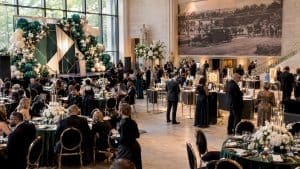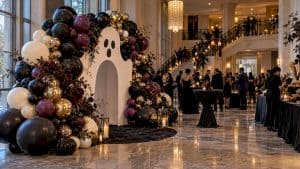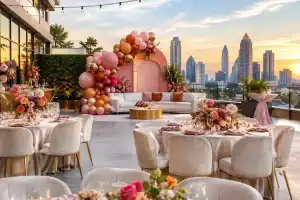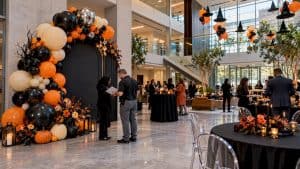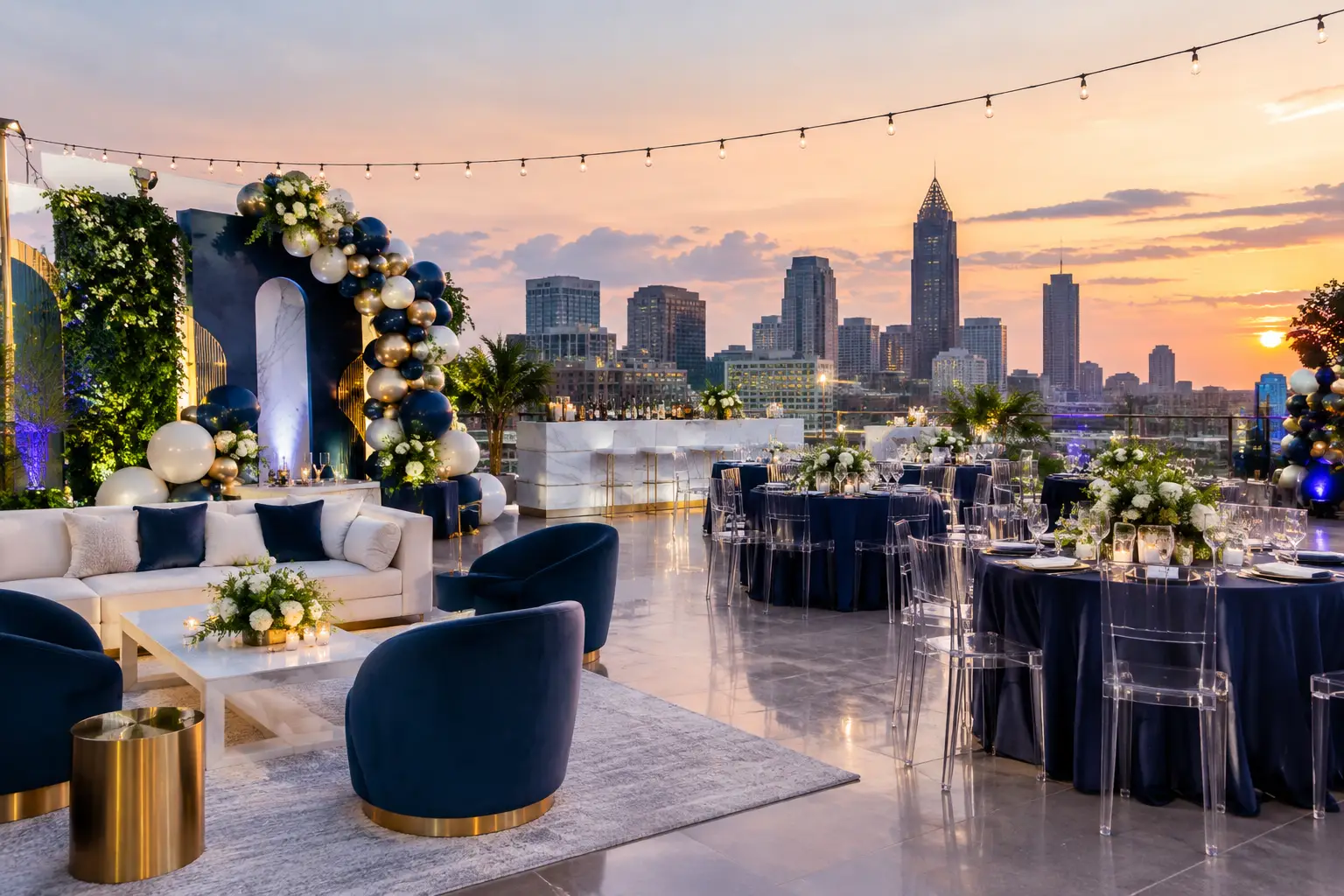
The room tells employees what the company thinks the moment they walk in. A bare conference room, a rushed food setup, and a generic playlist can make even a generous celebration feel like an afterthought. This guide to employee event planning is built for teams ready to create an experience with real energy, visual impact, and a reason for people to stay, connect, and celebrate.
Employee events are not just calendar fillers. They are a live expression of culture. Whether you are planning an appreciation lunch, milestone celebration, holiday party, sales kickoff, team retreat, or company anniversary, every choice should make people feel seen while supporting a clear business purpose.
Start Employee Event Planning With the Why
Before choosing a venue, theme, or color palette, get specific about what the event needs to accomplish. Employee appreciation has a different emotional goal than a product launch attended by staff. A holiday party may be about shared celebration, while a recognition dinner should put achievements and individuals in the spotlight.
Ask one direct question: what should employees say about this event the next day? If the answer is that they felt valued, energized, proud, connected, or excited about what is next, planning decisions become much easier.
A strong event objective also prevents the most common planning mistake: spending the entire budget on one visible element while neglecting the guest experience. A showstopping entry installation is powerful, but not if guests spend 30 minutes in a check-in line or cannot hear the program.
Match the format to the culture
There is no single right format. A fast-growing company with a younger, social team may get more value from an interactive after-hours activation with a DJ, photo booth, creative food stations, and bold branded decor. A hospital department or financial services team may prefer a polished daytime celebration, formal recognition moments, and thoughtful details that respect varied schedules.
The best format is not necessarily the trendiest one. It is the one your employees will genuinely enjoy. Consider shift schedules, accessibility needs, remote or hybrid team members, dietary requirements, transportation, and the level of participation your audience is likely to embrace.
Build a Budget That Protects the Experience
A budget should be a creative brief, not a restriction. Start with the non-negotiables: venue, food and beverage, production, guest comfort, and the moments that make the event feel intentional. Then reserve a portion for design and entertainment, where a smart investment can completely change the atmosphere.
For corporate events, the most effective budgets usually cover these distinct priorities:
- Venue, catering, staffing, permits, and guest logistics
- Program needs such as sound, lighting, staging, screens, and microphones
- Event design, including statement decor, florals, branded backdrops, signage, and tablescapes
- Entertainment and interactive elements such as DJs, photo booths, caricature artists, or balloon artists
- A contingency reserve for late additions, weather adjustments, attendance shifts, or production changes
Do not treat decor as a last-minute line item. The visual environment sets the tone before anyone gives a speech. A custom balloon installation in brand colors, luxury marquee letters, a polished photo moment, or a dramatic entrance can turn a standard venue into a branded celebration people want to photograph and share.
The trade-off is simple: fewer, larger design moments often deliver more impact than scattering small decorations around the room. Choose one or two hero areas, then support them with cohesive details throughout the event.
Choose a Venue That Supports the Vision
The venue is more than square footage. It affects guest flow, sound quality, lighting, load-in access, parking, and how ambitious the event design can be. A beautiful room with difficult installation rules, low ceilings, or no convenient loading access may require a different approach than a flexible industrial venue or hotel ballroom.
For Atlanta employee events, also consider timing and traffic realistically. A Buckhead celebration may be convenient for one office and a frustrating cross-town trip for another. If attendance is a priority, select a location that works for the majority of your team, communicate parking details early, and avoid asking guests to guess where they are supposed to enter.
Visit the space with production in mind
A site visit should answer practical questions before contracts are signed. Where will guests check in? Which wall becomes the photo backdrop? Is there a clear path for catering and event vendors? Where will speakers stand, and can everyone see them? Is there enough power for lighting, entertainment, and production?
Also look for blank spaces. An empty lobby, a plain stage wall, or a long corridor can become a high-impact branded moment with the right creative direction. These are often the areas guests encounter first and remember longest.
Design Moments Employees Will Actually Remember
An elevated employee event does not need a theme forced into every napkin and name badge. It needs a visual point of view. Start with a color story that reflects the company, season, occasion, or campaign. Then choose the moments that deserve drama.
The entrance is one. It creates anticipation and gives guests an immediate signal that this is not another meeting. The stage or recognition area is another, particularly when awards, executive remarks, or team announcements are central to the program. Finally, create a photo-worthy area where employees can gather naturally instead of posing awkwardly in front of a blank wall.
For a high-energy company celebration, an organic balloon garland, customized photo backdrop, and playful interactive entertainment can bring pure fire to the room. For a more formal gala, pair sculptural balloon details with fresh floral centerpieces, refined lighting, and a clean branded step-and-repeat. It depends on the audience, but the standard should stay the same: every visual choice should feel polished, intentional, and unmistakably connected to the occasion.
Branded decor works best when it feels designed, not stamped on. Use logos selectively. Let color, scale, texture, and composition carry the identity of the event. Employees should feel like they stepped into the company story, not a trade show booth.
Create a Run of Show That Has Momentum
Even beautiful events lose energy when the schedule drags. Build a run of show that balances planned moments with breathing room. Guests need time to arrive, eat, reconnect, take photos, and participate without being rushed from one announcement to the next.
Keep executive remarks focused and purposeful. If recognition is a major part of the event, make the honorees feel like the stars with strong staging, walk-up music, professional lighting, and visuals that can be seen from every table. Recognition should feel like a moment, not a name read off a spreadsheet.
Think about the energy curve. Open with something visually exciting. Place key messages while attention is high. Add an interactive moment after the program, then give people room to socialize. A DJ can shift the mood instantly, while a photo booth or live artist gives quieter guests an easy way to participate.
Assign one decision-maker for event day. That person does not need to handle every task, but they should have authority to approve small changes quickly. When weather, deliveries, attendance, or timing change, delayed decisions are what create stress.
Measure More Than Attendance
Attendance matters, but it does not tell the full story. A packed room can still produce a flat experience. After the event, gather feedback while details are fresh. Ask employees what they enjoyed most, whether they felt recognized or connected, and what would make the next event stronger.
For internal teams, look at participation in activities, photo booth usage, social sharing, award nominations, and post-event comments. For leadership, measure against the original objective. Did the event reinforce culture? Did it help welcome a newly merged team? Did it give people a meaningful way to celebrate a major win?
Save your event photos, floor plan, budget notes, vendor timing, and lessons learned in one shared file. The next celebration will be easier, faster, and more strategic because your team will not be starting from scratch.
Bring in Creative Partners Early
The best event design is rarely created in the final week. Bringing in an experienced decor and production partner early allows the creative plan to shape the space instead of merely filling it. It also gives you time to refine branded colors, reserve specialty rentals, plan installation logistics, and build a complete guest journey.
Atlanta Balloon Designer helps corporate teams turn employee celebrations into visually immersive experiences through custom installations, photo moments, entertainment, and full-service event styling. The goal is not to add more decor. It is to create the kind of environment that makes employees walk in, look around, and immediately feel that this occasion matters.
Give your next employee event one unforgettable visual moment and one genuinely meaningful human moment. That combination is what turns a company gathering into a celebration people will still be talking about long after the final photo is taken.