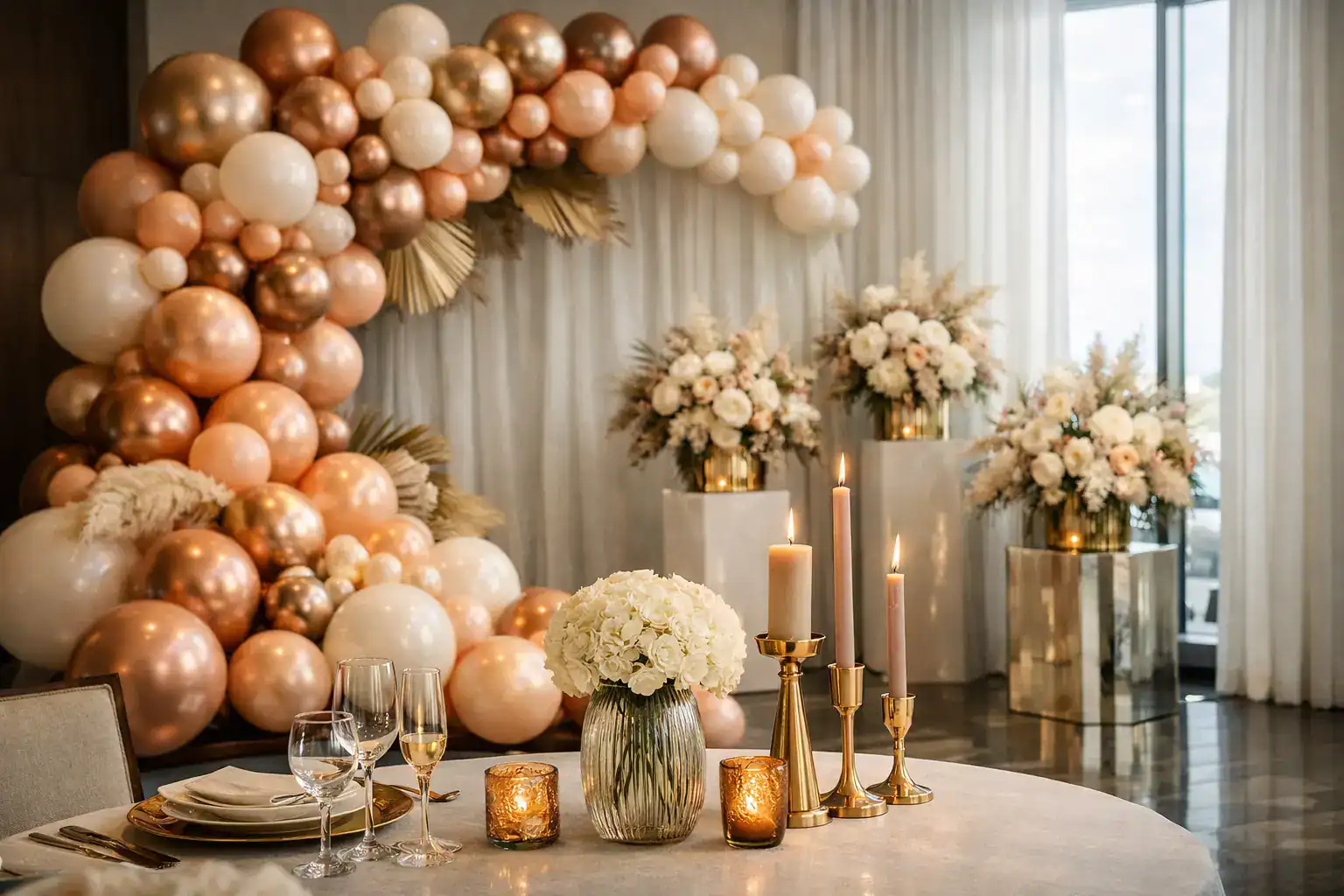
Some event setups look expensive before you even know what was spent. The difference is usually not more decor. It is better visual balance. That is exactly why people ask, What Is the 3-5-7 Rule of Event Decorating? Because when a space feels layered, polished, and camera-ready, there is often a simple design principle working behind the scenes.
The 3-5-7 rule is a styling guideline that uses odd-numbered groupings to create arrangements that feel more natural, dynamic, and visually appealing. In event decor, that can mean grouping items in threes, fives, or sevens instead of using perfectly matched pairs across every surface. Odd numbers tend to create movement. They give the eye somewhere to travel, which makes the design feel more organic and elevated.
For luxury events, this matters more than people realize. Whether you are planning a baby shower, graduation celebration, milestone birthday, branded activation, or jaw-dropping corporate event, the decor has to do more than fill a room. It has to create atmosphere, support the color story, and photograph beautifully from every angle.
What Is the 3-5-7 Rule of Event Decorating?
At its core, the 3-5-7 rule means arranging decor elements in groups of three, five, or seven to create stronger visual interest. Designers use it because odd-numbered compositions feel less stiff than even-numbered ones. They appear more natural, which is why this rule shows up across floral design, interior styling, merchandising, and event production.
In practical terms, that could look like three pedestal heights at an entrance, five candles mixed into a tablescape, or seven balloon clusters working together in an organic installation. The exact number is not magic by itself. The value comes from how those groupings create rhythm, dimension, and balance without making the setup feel too symmetrical.
That last part is key. Symmetry can be beautiful, especially for formal weddings or black-tie events, but too much of it can flatten a design. The 3-5-7 rule helps a space feel curated instead of rigid.
Why odd numbers look better in event design
Our eyes tend to process odd-number groupings as more interesting because they create a focal point with supporting elements around it. In a group of three, one piece often becomes the visual anchor while the other two add contrast or framing. In a group of five or seven, the composition starts to feel richer and more layered.
This is especially powerful in event decor because guests do not experience the room as a still photo. They walk through it. They glance at it from the side. They take pictures from different angles. Odd-number styling gives the setup more depth and energy in real life, not just on a mood board.
It also helps prevent one of the most common design mistakes: spreading decor too evenly across every surface. When everything is matched and equally spaced, nothing stands out. The event can feel generic, even with premium pieces. Grouping decor in odd numbers creates intentional highs and lows, making the space feel designed rather than merely decorated.
How the 3-5-7 rule shows up at real events
This rule is flexible, which is why it works across so many event types. You do not need to apply it to every single element in the room. In fact, forcing it everywhere can make the design feel repetitive. The smartest approach is using it where visual grouping matters most.
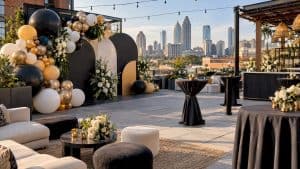
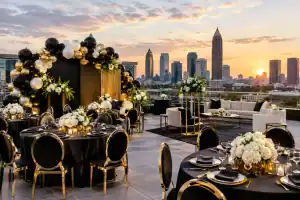
For balloon decor, the 3-5-7 rule often appears in cluster sizing, accent placement, and the way add-on elements are layered into an installation. A luxury organic garland might use three main balloon sizes as a base, then build visual complexity with five or seven accent moments using specialty balloons, florals, signage, or metallic details. That creates movement and keeps the install from looking flat.
On dessert tables and welcome displays, the rule helps with height variation. Three risers or plinths usually feel cleaner than two or four. Five styled elements across a focal display can feel balanced without becoming overcrowded. If you are working with candles, florals, framed signage, and props, odd-number groupings make the arrangement read as one intentional story.
For stage decor, photo backdrops, and branded installations, the rule can guide how major statement pieces are layered. Three zones of visual weight often work beautifully: a central hero moment and two supporting sides. In larger event builds, five or seven grouped elements can create a more immersive experience, especially when guests are moving through multiple touchpoints.
When to use 3, 5, or 7
Three is usually the cleanest and most versatile option. It works well for smaller events, intimate tablescapes, and focal styling where you want impact without clutter. If you are designing a chic birthday setup or a baby shower display, three core elements often provide enough variation to feel polished.
Five gives you more richness. It is ideal when the space needs additional layering or when the decor has to hold up in photos from different angles. Think of a larger dessert station, a branded product display, or a grand entrance moment. Five elements can create fullness without crossing into visual chaos.
Seven is best used when the scale supports it. Large backdrops, expansive corporate events, and oversized installs can handle seven grouped components because there is enough room for each piece to breathe. In a smaller room, though, seven can start to feel busy fast.
That is where experience matters. The rule is a design guide, not a formula you apply without context. Room size, ceiling height, guest count, furniture layout, and event goals all affect how much visual layering the space can handle.
Where people get the 3-5-7 rule wrong
The biggest mistake is treating the rule like a requirement instead of a tool. Not every table needs three candles. Not every backdrop needs seven decorative add-ons. If the design already feels complete, adding more just to hit an odd number can weaken the final result.
Another common mistake is using odd numbers without variation. If you group three items that are the same height, same shape, and same color, the composition may still look flat. The power of the 3-5-7 rule comes from contrast. Different heights, textures, finishes, and scale shifts are what make the grouping feel alive.
There is also a difference between balanced and crowded. Premium event design is not about stuffing every corner with props. It is about creating standout moments with breathing room around them. A dramatic installation lands harder when the eye has space to appreciate it.
The 3-5-7 rule and balloon styling
Balloon design is one of the best examples of this principle in action because organic installations rely on asymmetry, layering, and flow. A balloon arch that uses too much repetition can start to feel old-fashioned or predictable. A more modern installation uses intentional variation to create that high-end, custom look clients want.
That might mean three dominant color tones instead of six random shades. It could mean five specialty accents placed strategically through the garland instead of attaching every extra everywhere. It might mean seven visual transitions across a large install so the eye keeps moving naturally from one side to the other.
This is one reason luxury balloon styling feels so different from basic party-store decor. It is not just about the materials. It is about composition. The shape, spacing, and grouping decisions are what turn balloons into statement design.
Does the rule work for every event style?
Mostly, yes, but with some nuance. The 3-5-7 rule works beautifully for modern, organic, fashion-forward, and visually immersive events. It is especially strong for milestone parties, showers, graduations, brand activations, and social events where decor is expected to be a major feature.
That said, some formal event styles lean harder into symmetry. A traditional gala stage, a classic wedding ceremony layout, or a black-and-white corporate dinner may use mirrored elements very intentionally. Even then, odd-number groupings can still appear within the details, such as centerpieces, lounge styling, or accent decor.
So the better question is not whether the rule always applies. It is where it should apply. Great event design knows when to use structured symmetry and when to bring in organic movement.
Why this rule matters if you want a luxury look
Luxury decor is not defined by how many items are in the room. It is defined by how intentionally they are styled. The 3-5-7 rule helps create that editorial, elevated feeling because it avoids the stiff, overmatched look that makes decor feel basic.
It also supports what clients care about most: visual impact. People want guests to walk in and say wow. They want the backdrop to hit in photos. They want the welcome area, cake table, and main installation to feel finished and high-end. Odd-number styling helps produce that result because it creates movement, depth, and a stronger focal story.
If you are planning an event and want the decor to feel bold, polished, and completely camera-ready, understanding this rule gives you a sharper eye. And if you are hiring a professional design team, it helps you recognize the difference between decor that simply fills space and decor that transforms it.
That is the real value behind the 3-5-7 rule of event decorating. It is a simple concept, but when it is used well, the whole event feels more intentional, more modern, and a lot more unforgettable.