TL;DR:
- Event decor style combines visual and sensory elements to shape an event’s mood and guest experience.
- In 2026, bold colors, curved furniture, and architectural draping influence contemporary event design, emphasizing emotional resonance.
Event decor style is the intentional combination of visual, spatial, and sensory elements that define an event’s mood and guest experience. This event decor style guide explained for planners covers the core components, the balance of decorative and functional design, and the 2026 trends reshaping how Atlanta area events look and feel. Whether you coordinate corporate galas in Buckhead, celebrate milestones in Marietta, or plan intimate gatherings across Cobb County, understanding decor styles for events gives you a clear framework for every decision you make.
What elements make up an event decor style?
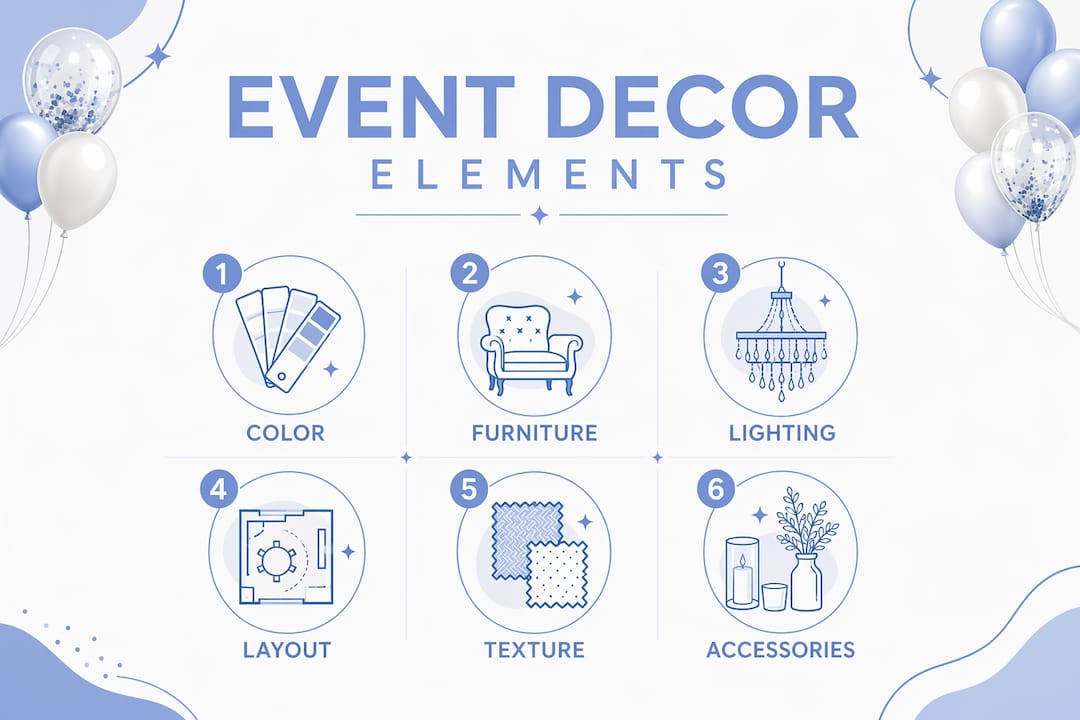
Event decor style is a design language built from six interconnected elements: color, furniture, lighting, layout, texture, and focal points. Each element carries its own weight, but the magic happens when they work together as a unified whole.
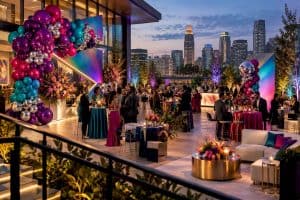
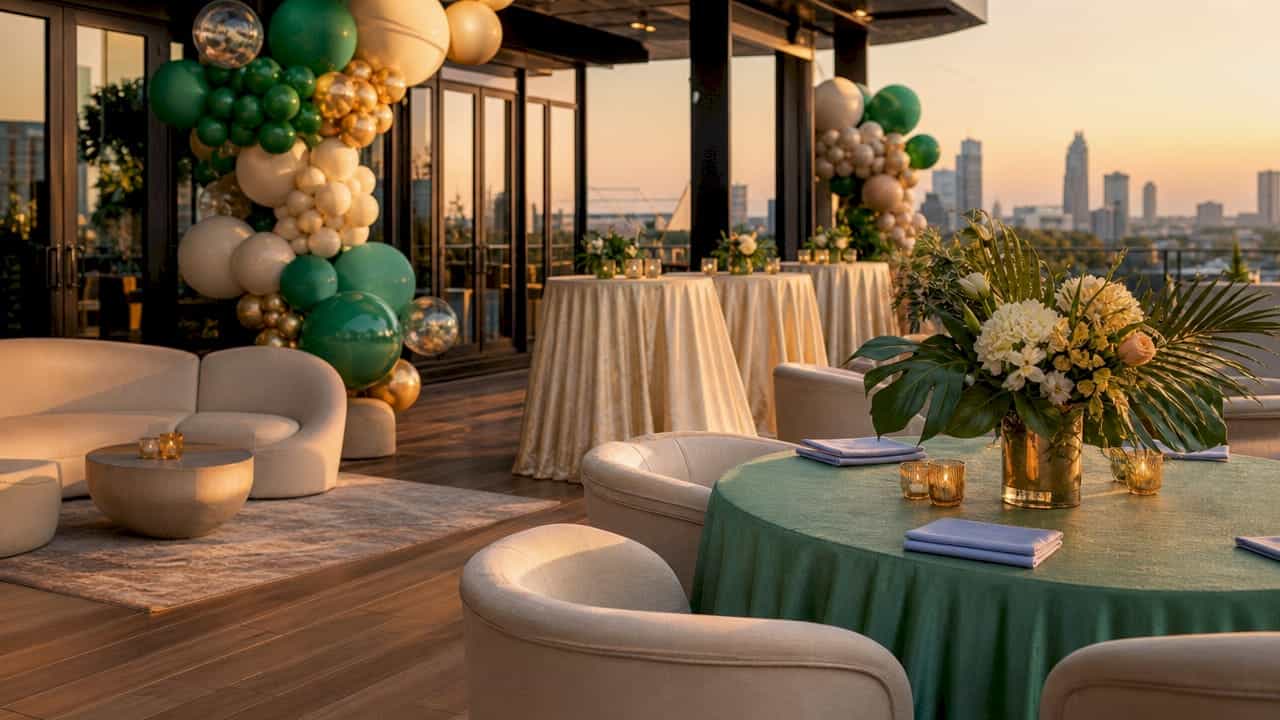
Color palettes set the emotional tone before a single guest speaks. Bold hues like Jade, Plum Noir, and Persimmon now lead corporate event aesthetics, with 68% of event professionals preferring them over minimalist tones as of Q2 2026. That shift signals a broader move toward expressive, emotionally resonant spaces rather than safe, neutral backdrops.
Furniture and layout shape how guests move and gather. Modular furniture systems with 70 or more personalized components are widely used in 2026 to create upscale, customizable event spaces without costly bespoke builds. This approach gives planners flexibility without sacrificing a luxury look.
Lighting does double duty as both mood setter and behavioral guide. Effective lighting signals transitions, creates spatial hierarchy, and steers guests through a venue without a single sign or rope. A dimly lit lounge area tells guests to slow down; bright, warm light over a dance floor says the opposite.
Here are the key decor elements and their primary roles:
- Color palette: Sets emotional tone and brand alignment
- Furniture: Defines social zones and guest interaction patterns
- Lighting: Controls mood, flow, and spatial hierarchy
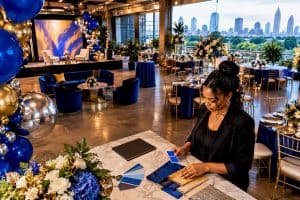
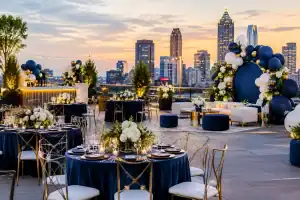
- Textural materials: Adds depth, warmth, and tactile luxury (think velvet linens, organic balloon garlands, and layered draping)
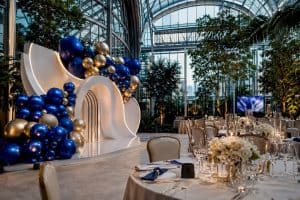
- Focal points: Anchors the visual story, such as a custom balloon arch, marquee letters, or a statement backdrop
- Layout and flow: Determines how guests experience the space from arrival to exit
Pro Tip: When selecting textures, layer at least three different materials in the same color family. Combining matte velvet, shimmering metallic accents, and soft organza creates visual richness without color clash.
How do decorative and functional design work together in event styling?
Decorative design focuses on visual appeal observable by guests, while functional design governs guest movement, space utilization, and engagement. Both are non-negotiable. Aesthetics alone do not deliver engagement. Functional event design ensures flow and sustained guest interaction throughout the entire program.
Think of it this way: a stunning organic balloon garland over the entrance is decorative. The clear path it frames, guiding guests from the door to the registration table, is functional. The best event styling makes both work at the same time.
Here is how to align decorative and functional design in practice:
- Define the guest journey first. Map the path from arrival to departure. Every decorative element should sit along that path with purpose, not just beauty.
- Use lighting to signal transitions. Brighter light at cocktail hour encourages mingling. Dimmer, warmer tones during dinner signal a shift to seated conversation.
- Place focal points strategically. A photo backdrop or marquee letter installation near the entrance creates an immediate wow moment and naturally directs foot traffic.
- Choose furniture that serves both roles. Curved lounge seating looks stunning and encourages guests to face each other, which increases social interaction.
- Leave breathing room. Overcrowding a space with decor blocks sightlines and disrupts flow. White space is a functional tool, not wasted space.
“Intentional event styling that answers why the event is held, who it is for, and what feelings to evoke leads to more purposeful and memorable experiences.” — Event Design For A Holistic Experience
Intentional design requires asking foundational questions about event tone, goal, and audience before selecting a single decor piece. Planners who skip this step often end up with beautiful rooms that feel disconnected from the event’s actual purpose.
What are the top event decor style trends in 2026?
The 2026 event decor landscape blends influences from fashion and interior design, shifting event spaces toward emotional resonance through textures, curves, and color. Three trends stand out as the most impactful for planners working across Atlanta and the surrounding metro area.
Curve appeal
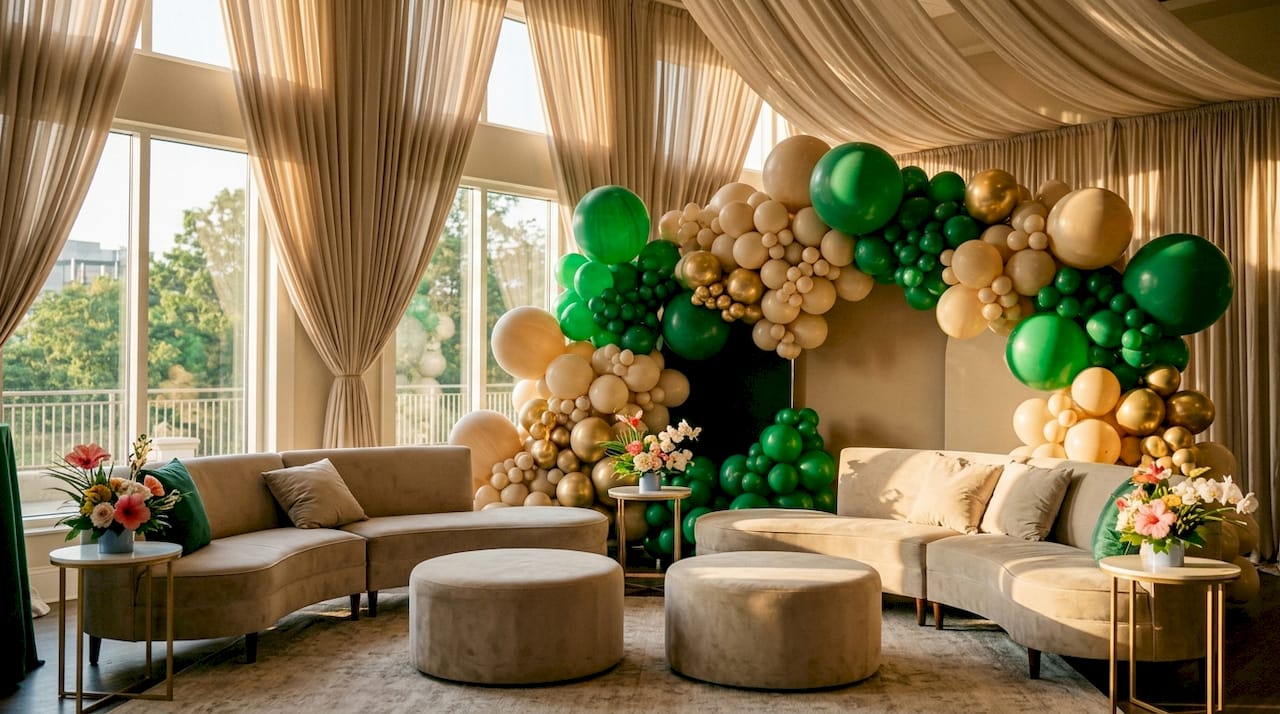
Curved sofas and rounded furniture forms are replacing angular pieces across corporate and social events. This “curve appeal” trend changes guest interaction dynamics positively. Rounded forms feel approachable and inviting, which matters enormously in networking events, galas, and brand activations where connection is the goal.
Architectural draping
Architectural draping is the major decor trend of 2026. Large-scale fabric installations transform venue ceilings and entryways into immersive environments without looking theatrical or overdone. The key is scale and quality of fabric. Sheer panels in champagne or ivory create an airy, luxurious ceiling installation. Heavy velvet draping at entryways signals grandeur from the first step inside.
Richer color palettes
The shift away from blush and white minimalism is definitive. Jade, Plum Noir, and Persimmon now define upscale event color stories. Atlantaballoondesigner works with jewel tones, earthy neutrals, metallics, and chrome finishes to build custom color palettes that feel current and cohesive.
| Trend | What it looks like | Best event type |
|---|---|---|
| Curve appeal | Rounded sofas, circular ottomans, soft lounge clusters | Corporate galas, networking events |
| Architectural draping | Ceiling fabric installations, draped entryways | Weddings, upscale social events |
| Bold color palettes | Jade, Plum Noir, Persimmon, chrome accents | Corporate events, brand activations |
| Modular furniture | Customizable seating systems, 70+ component options | Large-scale corporate and social events |
| Tactile textures | Velvet, organza, layered linens, organic balloon garlands | All event types |
Pro Tip: Pair one bold 2026 color like Plum Noir with a neutral like warm ivory. This keeps the palette current without overwhelming the space. Add metallic accents in gold or chrome for depth.
How to choose an event decor style that fits your event type?
Choosing the right decor style starts with three questions: What is the event’s purpose? Who is attending? What feeling should guests leave with? Intentional styling that answers these questions produces decor that feels purposeful, not just pretty.
Your venue is the second filter. A raw industrial loft in Atlanta’s West Midtown calls for different decor than a ballroom in Sandy Springs or an outdoor garden venue in Alpharetta. Ceiling height, natural light, existing finishes, and floor plan all shape which decor styles work and which fight the space.
Use these criteria to narrow your style choices:
- Event tone: Formal galas call for structured centerpieces, draped linens, and restrained color palettes. Casual celebrations welcome organic balloon garlands, bright pops of color, and playful marquee letters.
- Audience type: Corporate guests at a Fortune 500 event respond to polished, brand-aligned decor. Guests at a first birthday or baby shower want warmth, whimsy, and personal touches.
- Venue characteristics: Match decor scale to room size. A grand organic balloon arch works in a high-ceiling ballroom. A smaller, sculptural centerpiece suits an intimate dining room.
- Focal point strategy: Choose one or two hero pieces, such as a custom backdrop or a statement balloon installation, and build the rest of the decor around them. Avoid competing focal points.
- Color and theme alignment: Pull your palette from the event’s brand colors, the season, or the honoree’s preferences. Consistency across linens, florals, balloons, and lighting creates a cohesive look.
Atlantaballoondesigner serves planners across Atlanta, Marietta, Smyrna, Kennesaw, Roswell, Alpharetta, Decatur, and surrounding areas within a 60-mile radius. The team’s corporate event decor expertise covers everything from color palette curation to full venue transformation.
What are best practices for budgeting and implementing complex decor?
Budget and safety are where many beautiful decor plans fall apart. DIY balloon structures can reduce materials costs by 50%, but increased labor demands and safety risks often balance out those savings. Planners need to account for installation time, technical skill, and venue compliance before choosing the DIY route.
Key practices for Atlanta area planners:
- Check venue codes early. Many Atlanta venues require fire safety compliance for large fabric and balloon installations. Confirm requirements before finalizing your decor plan.
- Plan installation timelines realistically. Large-scale balloon arches and architectural draping require skilled labor and several hours of setup. Build buffer time into your event day schedule.
- Weigh labor costs honestly. Large-scale balloon installations require coordination of skilled labor, fire safety compliance, and venue approval. DIY savings disappear quickly when you factor in those variables.
- Know when to bring in professionals. Complex installations, organic garlands spanning large ceilings, and custom backdrops deliver the best results when handled by experienced stylists who carry proper insurance and know local venue requirements.
Pro Tip: Ask your venue coordinator for a list of approved vendors and any decor restrictions before you book. This one step prevents costly last-minute changes to your decor plan.
For planners in Cobb County, Gwinnett County, Fulton County, and DeKalb County, working with a local professional vendor means faster setup, better venue relationships, and decor that arrives in perfect condition.
Key Takeaways
Event decor style succeeds when color, furniture, lighting, and layout work together with clear purpose, guided by the event’s goals and the guest experience it aims to create.
| Point | Details |
|---|---|
| Define purpose before decor | Ask why the event is held and who attends before selecting any decor element. |
| Balance decorative and functional design | Beautiful decor must also guide guest flow, signal transitions, and support engagement. |
| Apply 2026 trends with intention | Curve appeal, architectural draping, and bold palettes like Jade and Plum Noir lead current event styling. |
| Match decor scale to venue | Choose hero pieces that fit the room’s proportions and build supporting decor around them. |
| Budget for labor and compliance | DIY complex installations often cost more in labor and risk than hiring experienced professionals. |
Why functional design is the part most planners underestimate
I have watched planners spend weeks agonizing over color palettes and centerpiece heights, then lose the room entirely because guests could not find the bar or the seating chart blocked the entrance. Decorative design gets all the attention. Functional design is what actually determines whether an event feels good to be in.
The most memorable events I have seen in Atlanta and across the metro area share one quality: the decor serves the guest, not the other way around. A stunning balloon installation at the entrance creates excitement. But if it narrows the doorway and creates a bottleneck, it becomes a frustration within the first 10 minutes.
My honest advice is to walk your venue layout before you finalize any decor plan. Stand at the entrance. Walk to the bar, the restrooms, the stage, and the exit. Every decor piece you place should make that journey feel natural and beautiful, not obstructed. The 2026 trends toward curved furniture and architectural draping are exciting precisely because they serve both goals at once. Rounded seating clusters look stunning and encourage the kind of face-to-face interaction that makes events worth attending. That is the standard every decor decision should meet.
— Kinyahnah
Atlantaballoondesigner brings your event decor vision to life
Planning a stunning event in Atlanta, Marietta, Kennesaw, Roswell, or anywhere across the greater metro area means choosing a decor partner who understands both the visual and the functional side of event design.
Atlantaballoondesigner is an award-winning luxury event styling and balloon decor company based in Austell, GA, serving clients across Cobb County, Fulton County, Gwinnett County, and beyond. From upscale balloon decor featuring organic arches, marquee letters, and custom backdrops to full venue transformations with architectural draping and curated color palettes, the team delivers decor that looks extraordinary and functions beautifully. Corporate coordinators can explore the Fortune 500 event decor guide for high-end corporate styling tailored to brand standards. Contact Atlantaballoondesigner at 678.203.0200 or visit atlantaballoondesigner.com to start planning your next event.
FAQ
What is event decor style?
Event decor style is the intentional combination of color, furniture, lighting, layout, and texture that shapes an event’s atmosphere and guest experience. It functions as a design language that communicates the event’s purpose and tone before a word is spoken.
What are the top event decor trends for 2026?
The leading trends are curve appeal (rounded furniture replacing angular pieces), architectural draping (large-scale fabric ceiling and entryway installations), and bold color palettes featuring Jade, Plum Noir, and Persimmon. These trends shift event spaces toward emotional resonance and approachability.
How do I choose the right decor style for my event?
Start by defining the event’s purpose, audience, and desired feeling. Then evaluate your venue’s size, lighting, and existing finishes. Match your decor scale and color palette to those factors, and build the design around one or two strong focal points.
What is the difference between decorative and functional event design?
Decorative design focuses on visual appeal, while functional design governs guest movement, space utilization, and engagement. Effective event styling uses both together so that beautiful elements also guide flow and support the event’s goals.
Is DIY balloon decor worth it for large events?
DIY balloon structures can reduce materials costs significantly, but labor demands, safety compliance requirements, and installation complexity often offset those savings. For large-scale or complex installations, professional services typically deliver better results with less risk.